
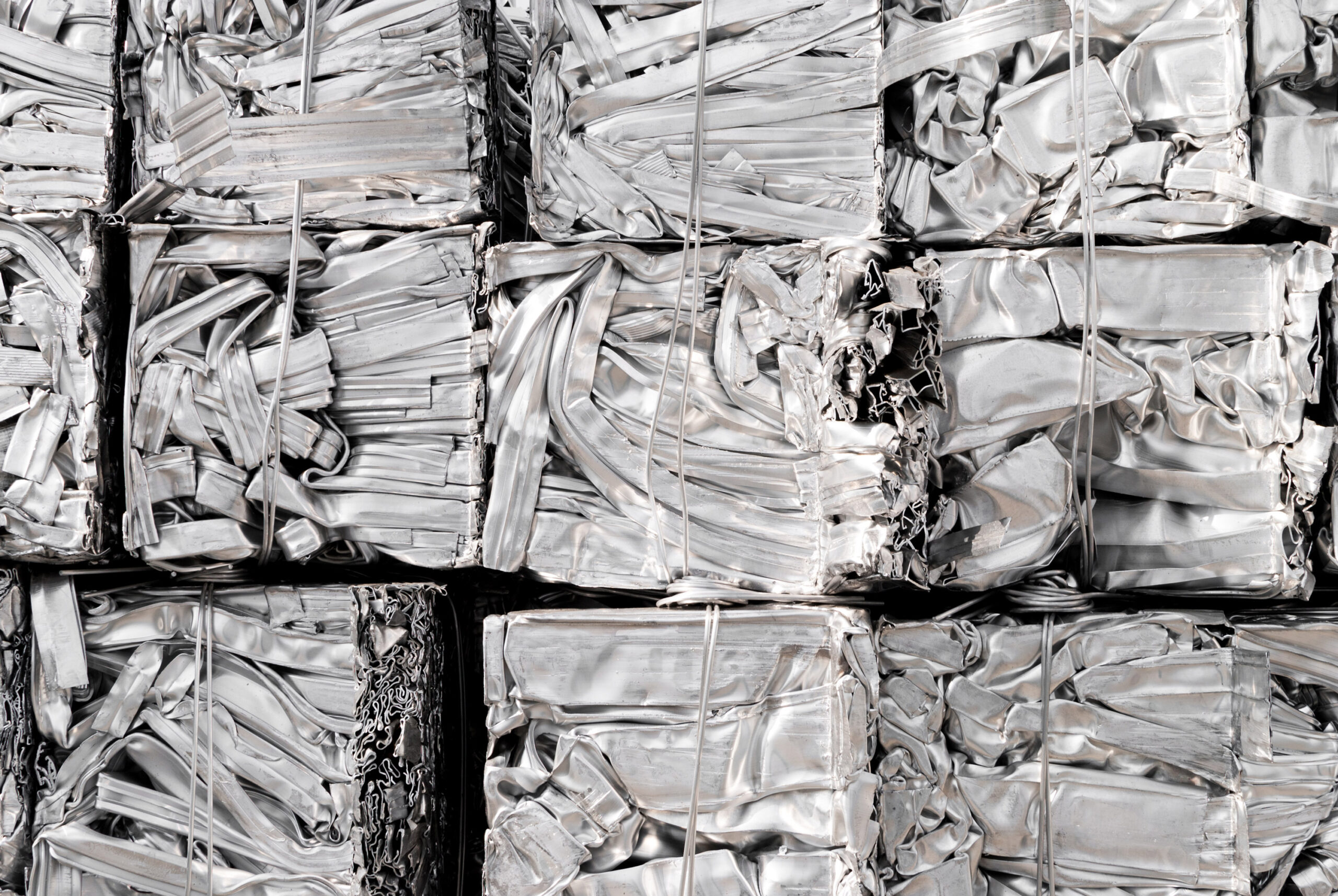
During a recent facade conference, the AMICO team was discussing material selection with a few architects, and they said their team looks beyond aluminum due to sustainability concerns. Here, we will share data and facts on why Architects need to keep aluminum products in their design toolkits.
High Levels of Recycled Content:
AMICO manufactures Architectural Metals primarily using 3003 series aluminum, which contains an average of 53% recycled content.
Near Infinite Recycling Loop:
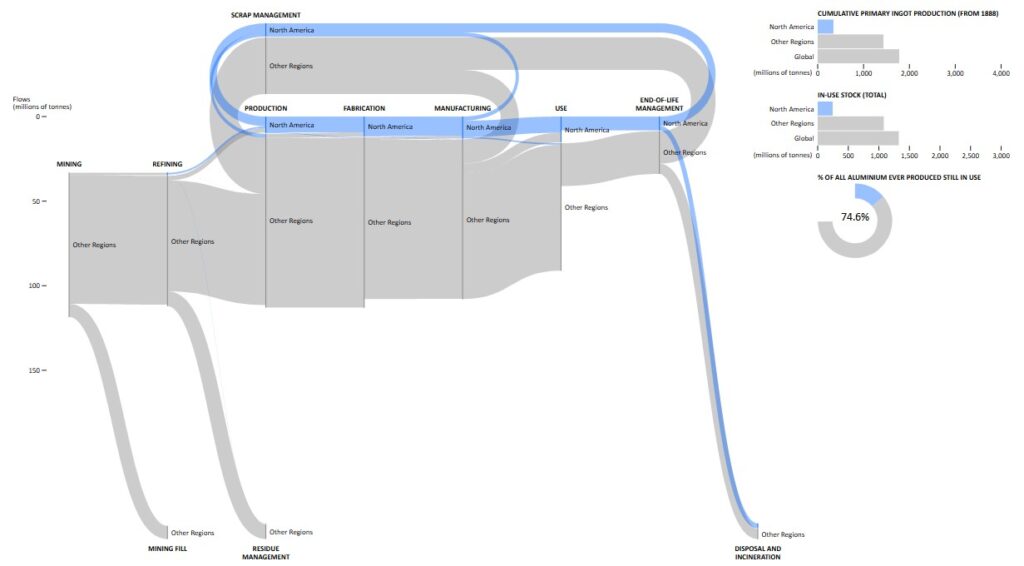
Aluminum keeps its properties through infinite recycling. Global stocks stay in circulation rather than landfills, which keeps demand for primary metal down and supports a true material loop. Estimates show roughly 70%-75% of all aluminum ever produced is still in use today.
Energy Efficient Recycling Process:
While virgin aluminium production is energy-intensive, aluminium recycling uses 95% less energy than primary aluminium production. Global primary aluminium production, from mining to casting, required 186 gigajoules per ton; in contrast, the energy demand for recycled aluminium was only 8.3 gigajoules per ton.
How does this compare to mass timber? Recycled aluminum actually requires less energy to produce than mass timber when compared ton-to-ton.
Mass Timber Energy Demand Cradle-To-Gate:
- Cross Laminated Timber (CLT): 31 gigajoules per ton
- Glued Laminated Timber (Glulam): 38 gigajoules per ton
- Laminated Veneer Lumber (LVL): 37 gigajoules per ton
Long Service Life:
Aluminum is a durable material for building envelopes; it resists corrosion, accepts high-performance finishes, and lasts for decades. Industry data indicates that some building components can have lifespans exceeding 70 years, extending replacement cycles and reducing the need for repeated embodied impacts. This extended service life is significant compared to other options, such as mass timber, which can be prone to rot or pests.
Reduce Site Waste with Prefabrication:
Aluminum systems arrive cut and fabricated to size with coordinated attachments, eliminating on-site waste, reducing on-site electrical demand, and reducing the impact of waste removal.
Saving with Lightweight Material:
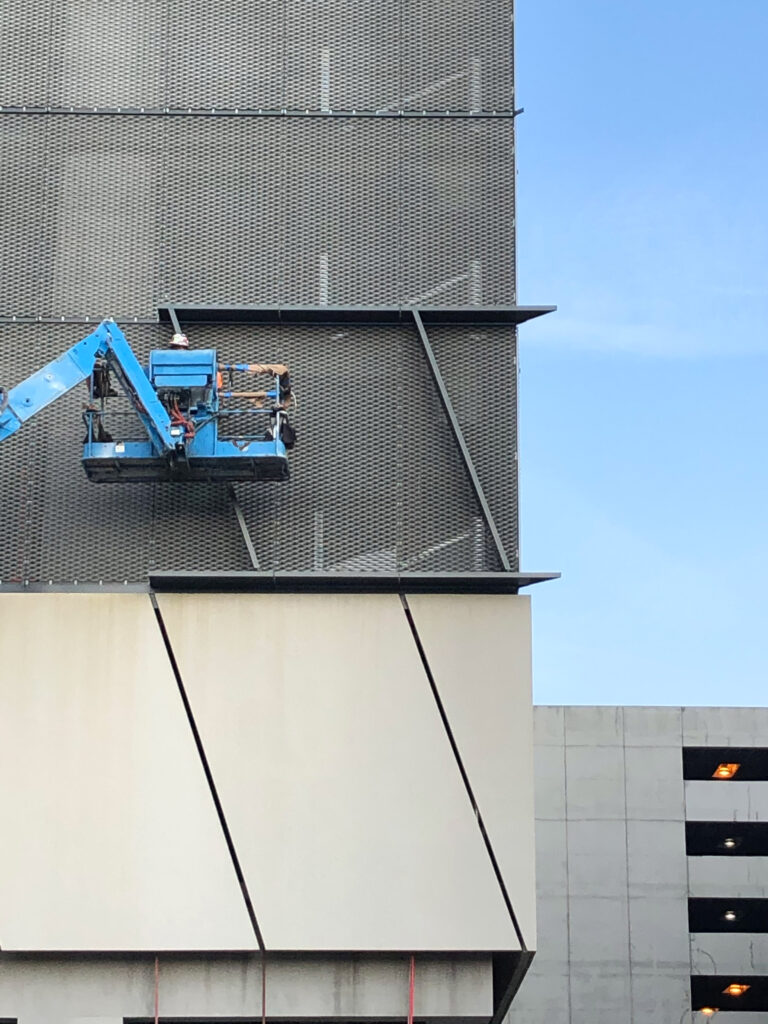
Lightweight, stable geometry speeds fieldwork. Compared to wood, aluminum cladding systems often install faster because they avoid warping and moisture movement. Recent project data shows 15–20% savings in installation time for aluminum panels compared to wood, aided by interlocking clip systems and consistent tolerances. Faster installs cut labor trips, lift time, and emissions tied to site duration. Reduced time: means fewer hours powering lifts; less diesel on transport; fewer lane closures caused by equipment, reducing traffic jams.
Save Time at Install:
Lightweight, stable geometry speeds fieldwork. Compared to wood, aluminum cladding systems often install faster because they avoid warping and moisture movement. Recent project data shows 15–20% savings in installation time for aluminum panels compared to wood, aided by interlocking clip systems and consistent tolerances. Faster installs cut labor trips, lift time, and emissions tied to site duration.
Reduce the Operational Carbon Impact of the Building:
Aluminum passive sunshades as second skins allow ample distributed natural light while reducing heat gain inside a building, delivering energy savings throughout the materials’ full life span. Read our full case study here, or consider reading this peer-reviewed study that came to similar conclusions.
Aluminum Cladding is Easily Reclaimed:
Unlike composite or wood cladding, which end up as mixed waste, AMICO Architectural Metal products are typically mono-material and have strong salvage value, with well-established, widely available recycling ecosystems. No special programs required. These materials have a high likelihood of achieving a second life.
Durable Finish:
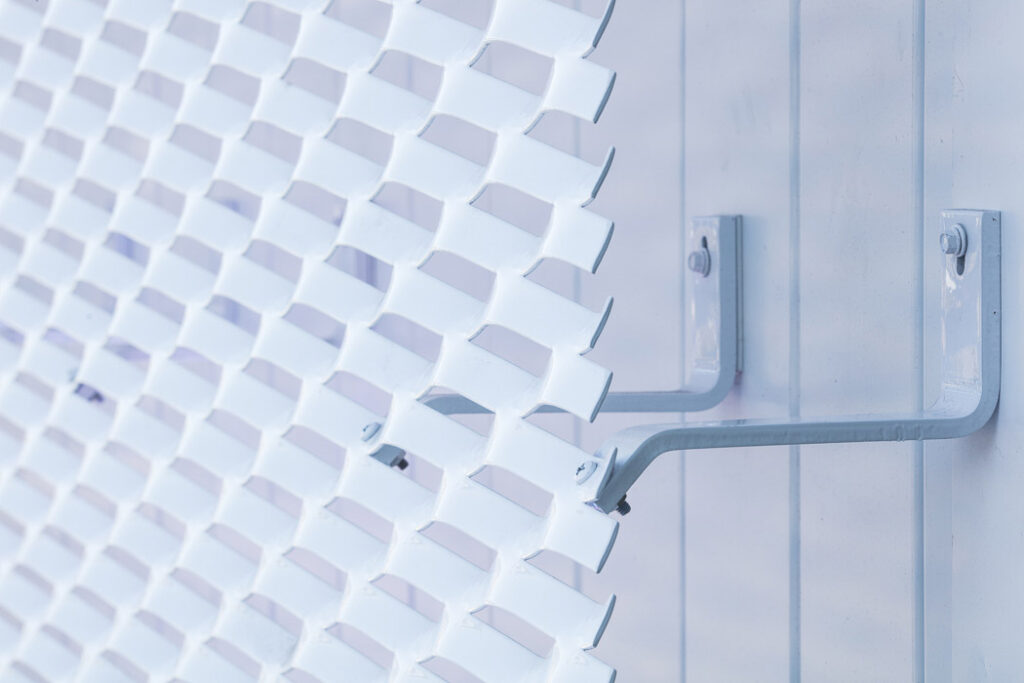
Aluminum, on its own, is corrosion-resistant, but it also offers excellent, durable finish options. Standards like AAMA 2604 and 2605 provide guidance for powder coat manufacturers and architects to agree on a common durability standard. Important to note here is that, while warranty standards have a finite end, this does not mean the finish is failing; it simply means a slight shift in color and sheen will be observed.
No VOCs:
Powder coat finishes on aluminum produce no VOCs because no solvents are involved. The US EPA confirms that powder coating is generally the least polluting of the spray finishes.
Simple, Solvent-Free Maintenance:
Powder-coated aluminum does not require harsh chemicals or solvents for cleaning and maintenance, nor any chemicals to repel pests or mold. Simple soap and water provide safe maintenance.
Conclusion: Is Aluminum Worth Considering for Architectural Applications as a Sustainable Solution?:
It is always great to see architects take on the noble task of pursuing the most sustainable building solution. Comparing other materials, like mass timber, is very difficult; it’s almost an apples-to-oranges comparison. Aluminum offers many advantages that a simple EPD cannot capture, and the architect must consider the whole picture, including aluminum’s…
low-VOC emissions
- low-impact maintenance
- long life span (will not rot, will not corrode)
- durable finishes
- energy-efficient recycled production
- available and straightforward recycling ecosystem
- easy disassembly and mono-material nature
- low-VOC emissions