Are you looking for a way to enhance data center architectural design? This article outlines how AMICO’s specialty metals can add value to your data center design process by providing sunshades, screens, aesthetic enhancement, and creating value through brand-worthy design moments.
Application #1: Rooftop & Yard Equipment Screens
Expanded mesh and perforated corrugated metal are excellent for elevated surfaces because they can be oriented in a way that maximizes opacity and minimizes views of the equipment. The design benefit of these specialty metals is that they can be specified to exact opacity levels, meeting the airflow requirements of data center rooftop equipment.
Rooftop Screen Project Example:
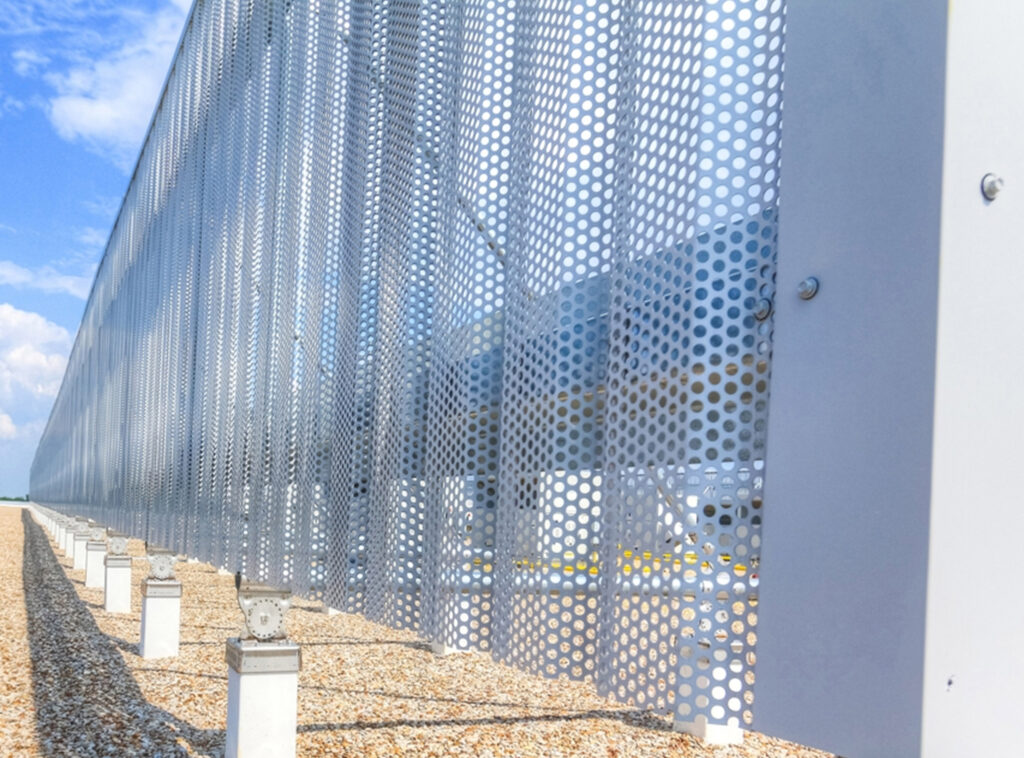
Perforated corrugated metal is a cost-effective way to install a relatively opaque, yet breathable, rooftop screen on an unobtrusive structure. This project for Samsung’s offices demonstrates how a simple screen design does not stand out, but rather serves its straightforward purpose of screening.
Ground-Based Equipment Screen Project Example:
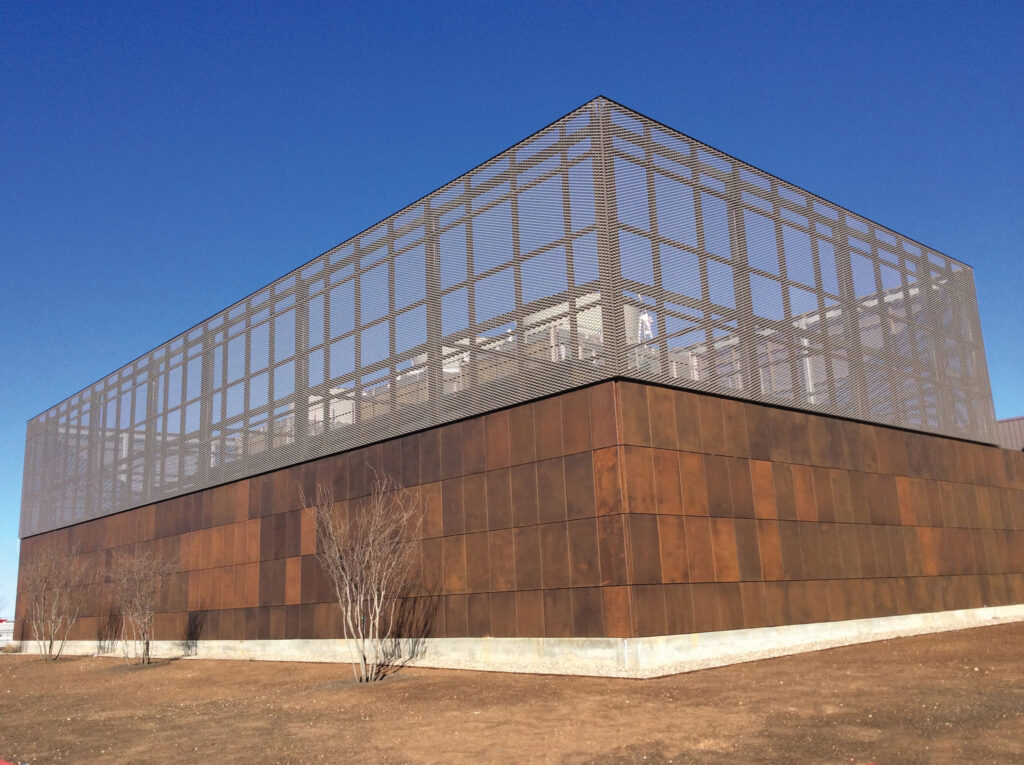
This equipment screen on the Chevron Corporate Campus was difficult to conceal in the flat, open Texas landscape, so the designers of Pupulous opted instead to create a beautiful weathering steel (aka Corten) enclosure with expanded mesh surfaces that complemented the beauty of the rest of their design work.
Application #2: Substation & Utility Enclosures
On-site substations are standard on large campuses, and their placement and unsightly nature may pose problems for the permitting process. If your substation is easily visible, AMICO Architectural Metals can create an appealing screen with our various speciality metals.
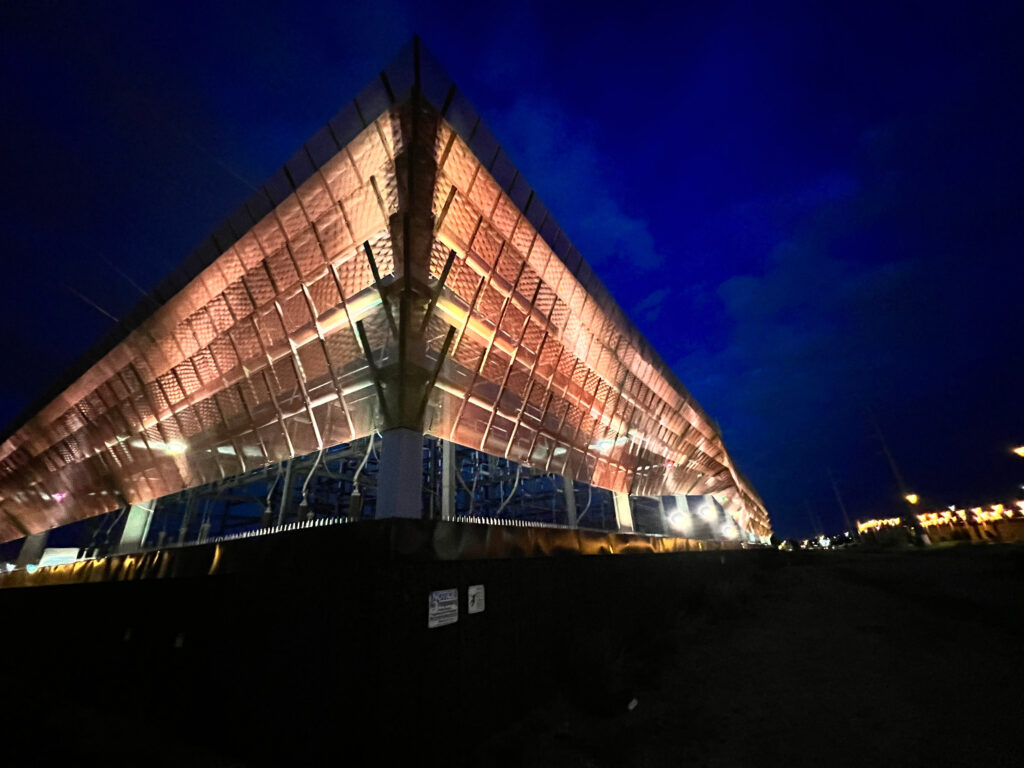
Electrical Substation Beautification Project Example:
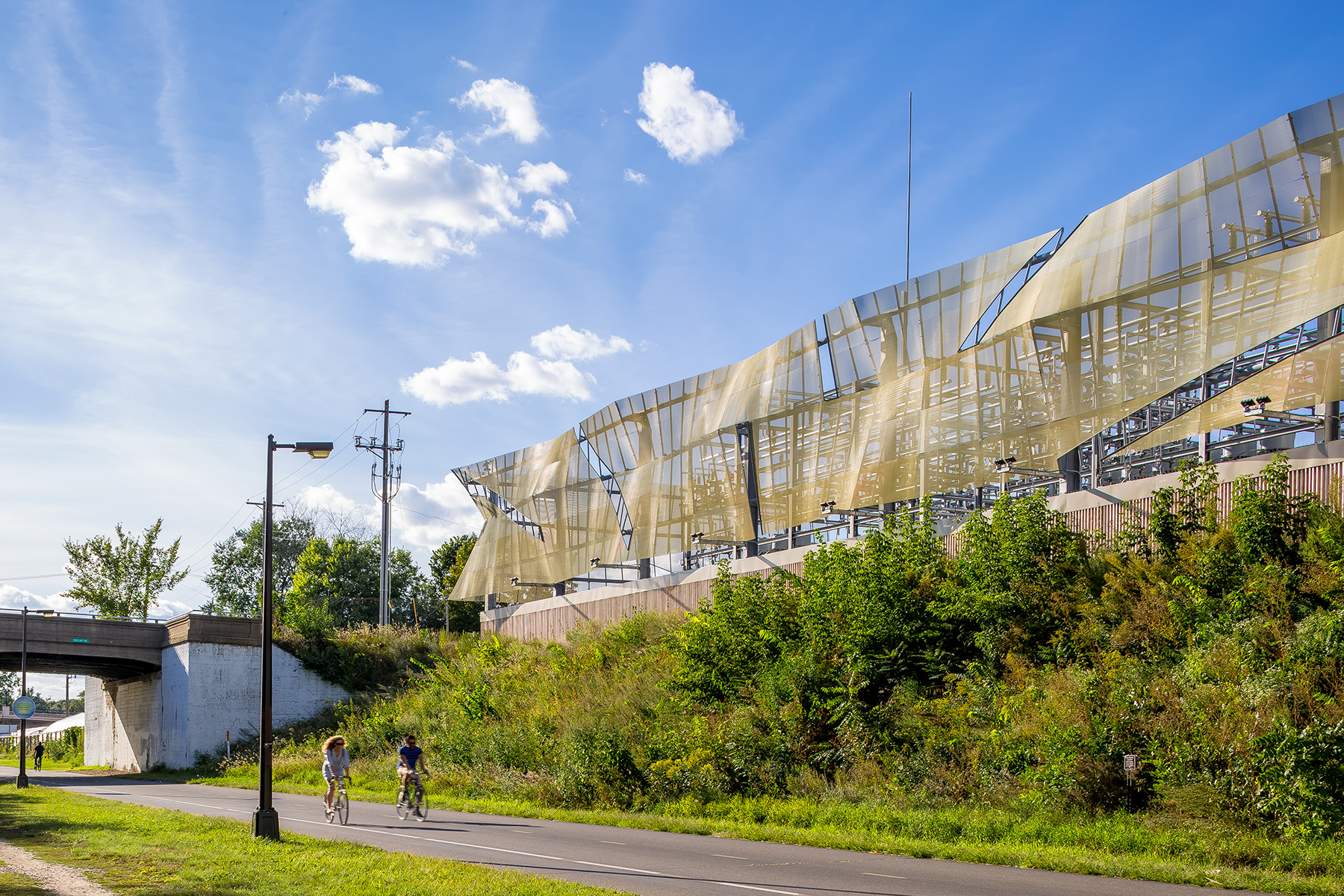
The Xcel Energy Substations are 1-acre installations located in developing residential neighborhoods. The primary goal of the screens was to improve the neighborhood’s appearance, designed with input from local community members. Forty thousand passersby enjoy these stations every day. The sculptural expanded mesh screen conceals the industrial electrical equipment. At night, it is illuminated by lights that change color and fade in and out, giving the design a dynamic appearance.
Application #3: Sunshades Administrative Areas
A typical problem is that in administrative areas, you need natural light for pleasant working spaces, but at the same time, you don’t want to introduce excessive heat into the structure. Using passive sunshades can help you maximize natural light in office areas without increasing heat gain. Read our complete study on heat gain mitigation and the use of expanded mesh as a passive shading solution.
Passive Sunshade Project Example:
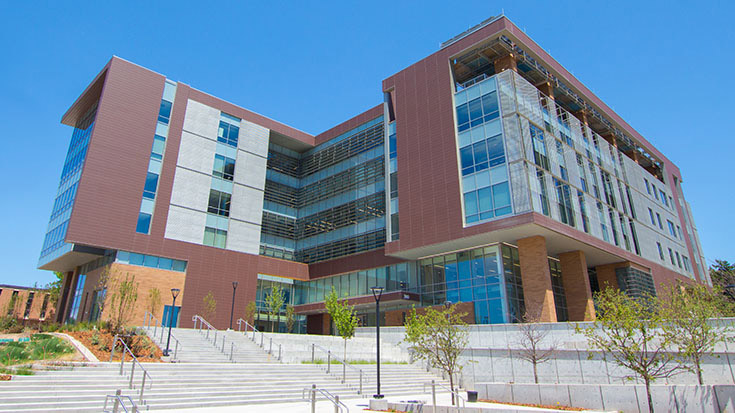
The SJ Quinny Library at the University of Utah sought to incorporate large amounts of natural light to fill the space and enhance the studying and reading experience. Their south-facing glass facade allows for long periods of daylight, improving the mental and physical well-being of those inside. However, to properly manage heat gain, they introduced expanded eaves sunshades parallel to the glass, which could balance the demand for natural light with their energy goals.
Application #4: Decorative Facades
Data centers, while in essence utilitarian warehouses, are increasingly occupying more populated spaces and need to be designed with the community in mind, not just raw data efficiency. Corgan, a leading architectural firm in the space of data center design, has written extensively about how the “data center next door” needs to address solutions in contextual design creatively:
“As a new neighbor in these urban and suburban cores, data centers are required to contextually fit into the fabric of the community—honoring the character and identity of the surrounding neighborhood. The successful growth and adoption of data centers, however, also depend on creative design solutions that meet the unique challenges of data center infrastructure, operations, and security, while providing a visually attractive and welcoming addition to the community. From window facades and residentially inspired perimeter walls to landscaping and ornamental skins, the future of data center design challenges architects to maintain efficiency and operations as a top priority while demanding cost-effective solutions that balance form and function.”
Decorative Facade Project Example:
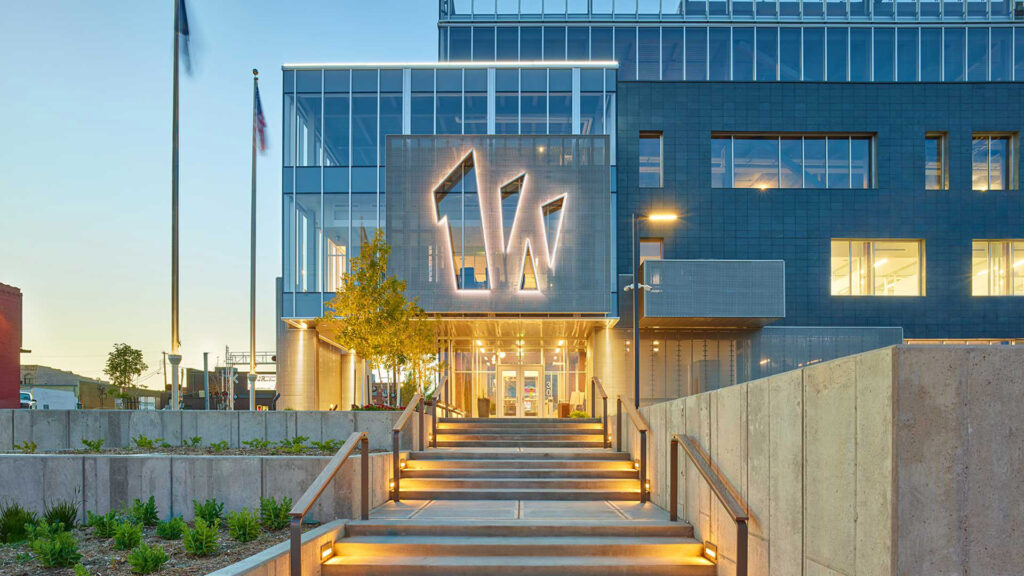
First Western Bank and Trust utilized expanded mesh to create accent moments on the façade, bringing texture and interest to their design in a cost-effective manner that also aligned with the branding scheme in interior spaces.
Application #5: Data Center Interiors as an Opportunity for Brand Design
Data centers, especially wholesale colocation businesses, require brand differentiators, amenities, and memorable design features that can foster collaboration with their customers. Architectural metals are great for creating memorable design elements. In lobbies, for example, expanded mesh ceilings, perforated metal railing infills, and laser-cut metal feature walls offer excellent opportunities to elevate
If you are looking for some project inspiration, click the links below for various lobby projects that might apply:
- The Airbnb headquarters, featuring an expanded mesh railing, delivers a striking and memorable lobby experience.
- Expanded mesh ceilings in a library create a familiar industrial feel while remaining beautiful and interesting.
- This custom perforated interior wall cladding creates great feature walls
Next…