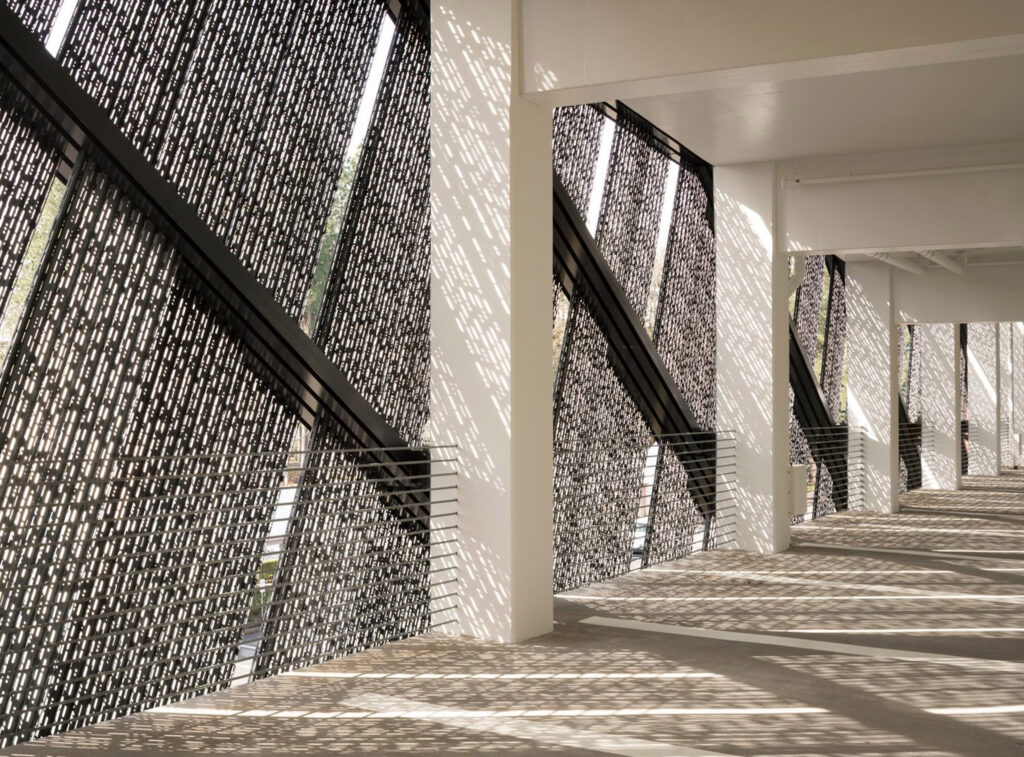
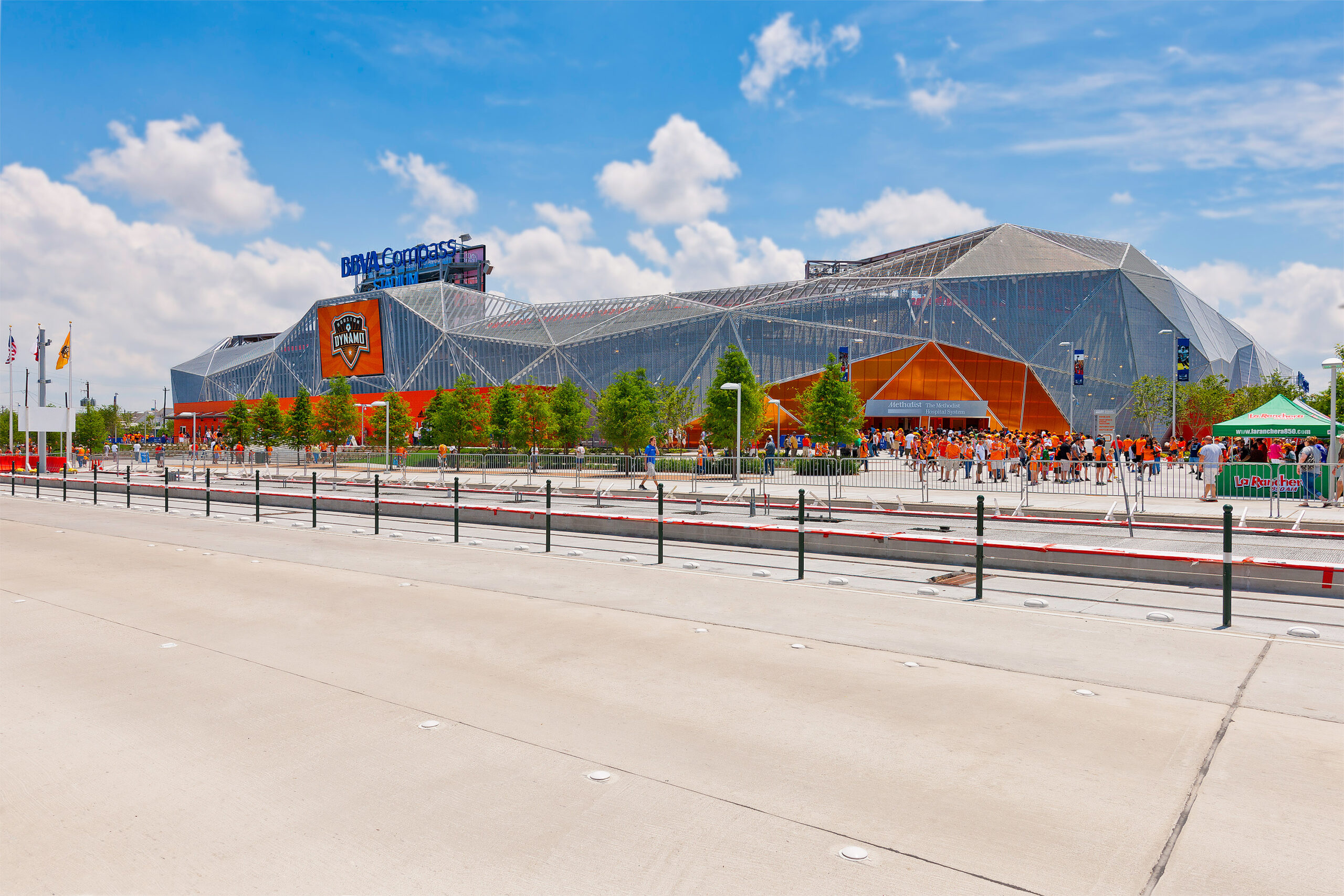
AMICO Architectural Metals materials are bespoke fabricated surfaces and therefore versatile and configurable to meet an infinite variety of forms, building applications, and designs. In this post, we will explore the applications of expanded mesh, perforated metal, and laser-cut panels in the design of sports stadiums and entertainment venues.
Design Memorable Forms and Surfaces
These monumental projects require you, the designer, to make a bold statement in some way; your client is depending on you to create memorable moments in your design. AMICO materials stand out because they allow users to develop and construct unique forms. These are bespoke, fabricated, lightweight surfaces that can help unlock direction in your design process, taking you down paths of unique design exploration.
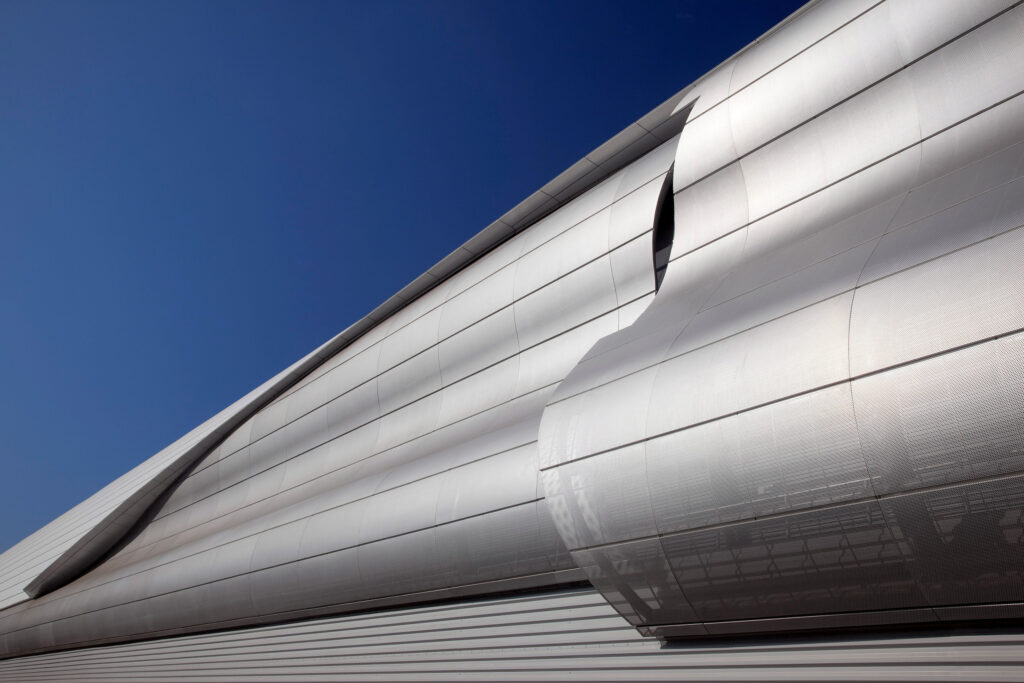
Beyond the form, being able to introduce hole patterns through perforation or laser cutting can also bring a level of wow. This highly creative surface development process will create memorable, never-before-conceived design opportunities.
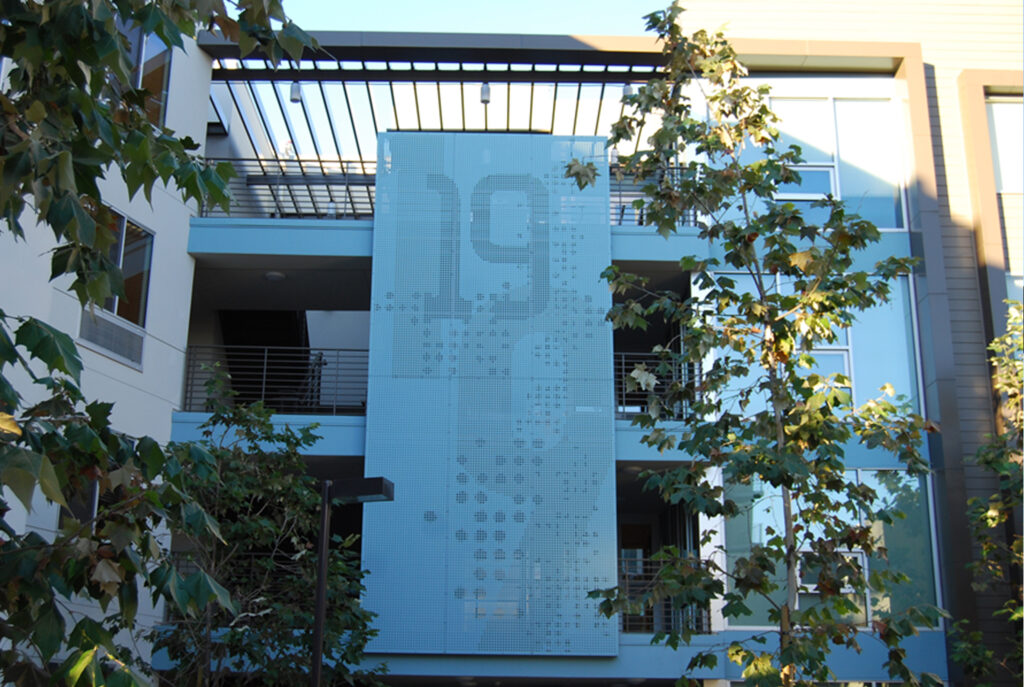
Provides Opportunities For Imagery and Messaging
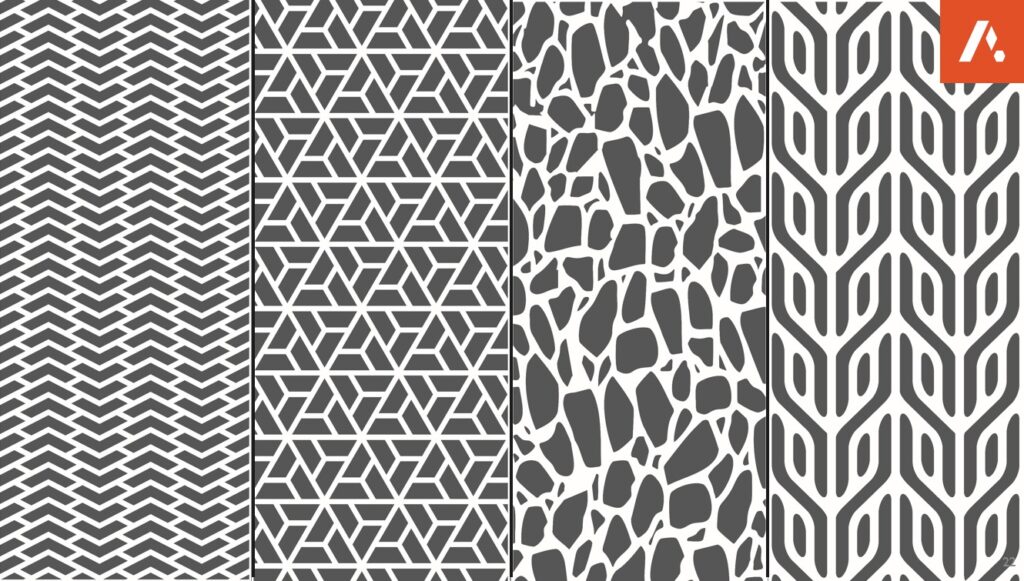
Laser Cut Metals
The laser cutting process provides ample creative freedom, enabling each hole to have a distinct shape and placement. This manufacturing process allows the easy creation of high-design, parametric, and randomized patterns. Laser cutting starts with a sheet of aluminum on a cutting bed, and a laser is programmed to follow your design path. The result is a wide range of design options. The key to remember with this process is to think on a large scale. Architectural patterns not only tend to look better at a larger scale but also reduce costs by limiting cut time.
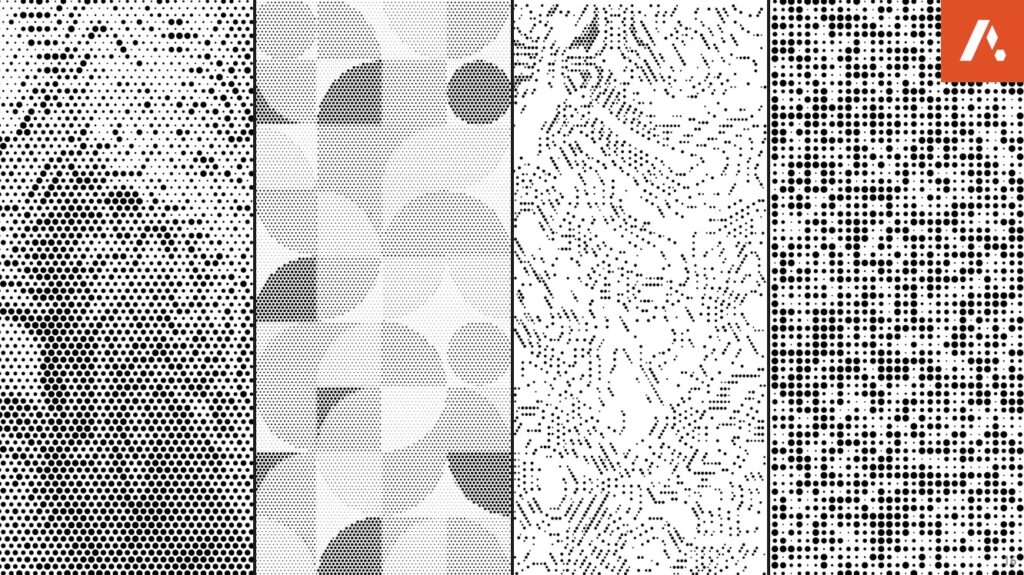
Picture PERFect, Perforated Imagery Development
Suppose you need imagery, graphics, logos, or an abstract pattern translated into a durable metal; AMICO Architectural Metal’s proprietary artwork translation processes convert your imagery into a perforated hole pattern. Like laser cutting, this process gives tremendous design flexibility in creating surfaces that are unique to your project and can deliver.
Bring in Color and Texture
“Color is a power which directly influences the soul” – Wassily Kandinsky.
The sports and entertainment environment relies on an emotional drive, and bringing color and texture into a space can sometimes be challenging. Architectural metals work well because they can be introduced into a space as discrete, standalone elements that can be mounted to most any structure, and along with it, bring surface and color changes that help push your design and communicate the feelings and emotions that your brand and design need.
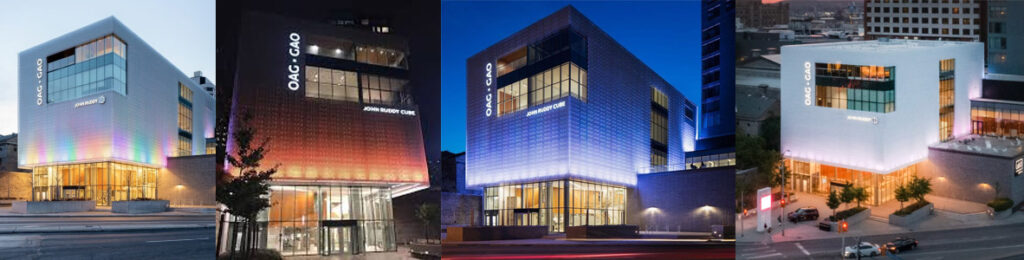
Materials with holes, such as AMICO, also offer the opportunity to layer color and light, where two surfaces can come together in interesting and complex ways.
Projection surface
Projecting light onto a surface often brings a great deal of awe and drama to a space. If you are looking for a surface that looks great during the day but can also handle projected, dynamic light, consider AMICO’s APEX03. It effectively showcases recognizable video imagery on a large scale, while also offering a visually appealing high-design surface when not used for light projection.
Architectural Metals and Acoustics Planning
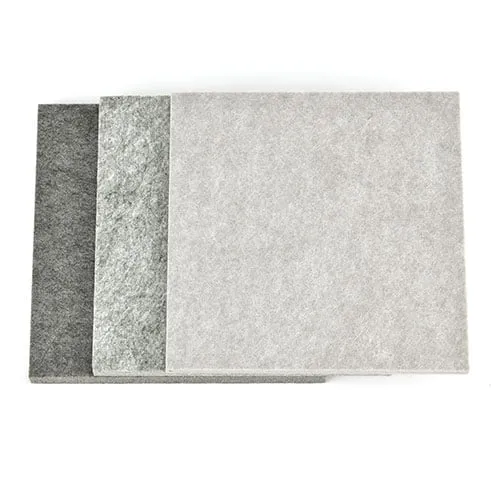
Pairing durable metals with voids and PET backers significantly enhances sound absorption. If your space is at risk of being a reverberation echo chamber, consider introducing expanded mesh, perforated metal, or laser-cut panels backed with sound-absorbing PET panels.
When architects allow for a 1″-2″ gap between the panel and the PET panel, sound absorption is significantly enhanced. Additionally, PET can feature printed surfaces, allowing for the creation of unique designs and colors behind the architectural metal that diffuses sound while also providing a durable protective layer.
This amphitheater has perforated metal cladding backed with a sound-absorbing PET material. The vast red surface can maintain a pure, echo-free sound quality from the stage. Click here to read an additional case study.


Sun, Glare, and Heat Control
Maintaining everyone’s comfort in an outdoor stadium, even on sunny days, is always a goal. However, introducing too much structure and too many solid, continuous surfaces is too costly, impractical, creates rainwater management issues, and runs the risk of simply making an undesirable “cave-effect.” Open materials like mesh and perf are great for sunlight control because the materials:
- Reduce glare
- They are lightweight, so it is cost-effective and straightforward to support
- Allows rainwater to pass through, preventing pooling and accumulation of large quantities of water
- Have design flexibility to introduce more or less opacity from panel to panel to give you perfect control, depending on shifting design requirements
- Provide reduced glar daylight to pass through and create a biophilic connection to the natural light