Tag: expanded mesh
-

Improve Modular Data Center Design with Architectural Metals
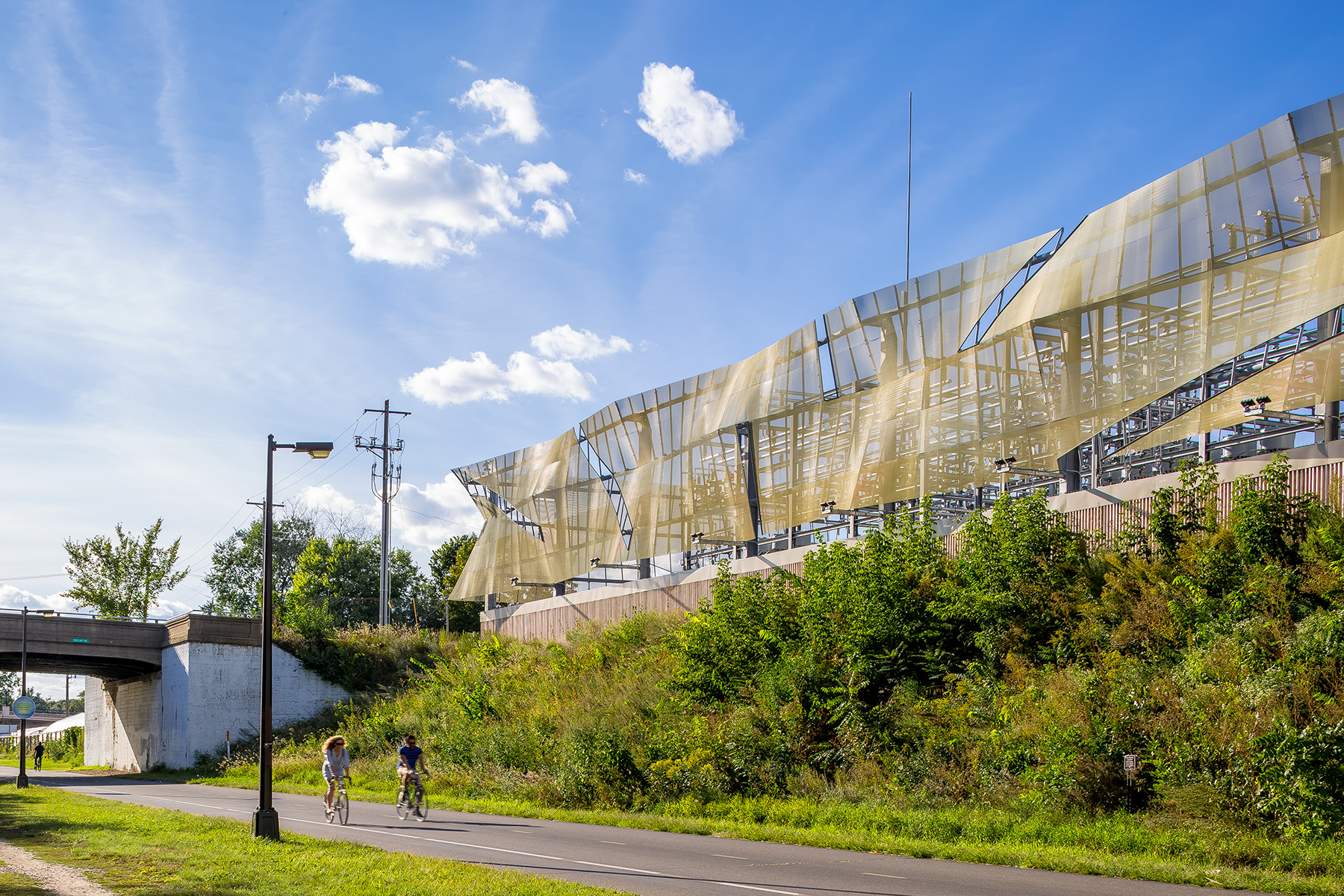
By 2030, the modular data center (MDC) market is projected to exceed $75.8 billion annually, more than doubling in size. As with many new technologies, their integration into the architectural landscape has not entirely found maturity, and as more of these units find permanent placement, a critical question is left open: How do MDCs fit…
-

Architectural Specialty Metals for Data Center Design
Are you looking for a way to enhance data center architectural design? This article outlines how AMICO’s specialty metals can add value to your data center design process by providing sunshades, screens, aesthetic enhancement, and creating value through brand-worthy design moments. Application #1: Rooftop & Yard Equipment Screens Expanded mesh and perforated corrugated metal are excellent…
-

Public spaces: “If you provide more beautiful spaces, people are going to treat them better….”
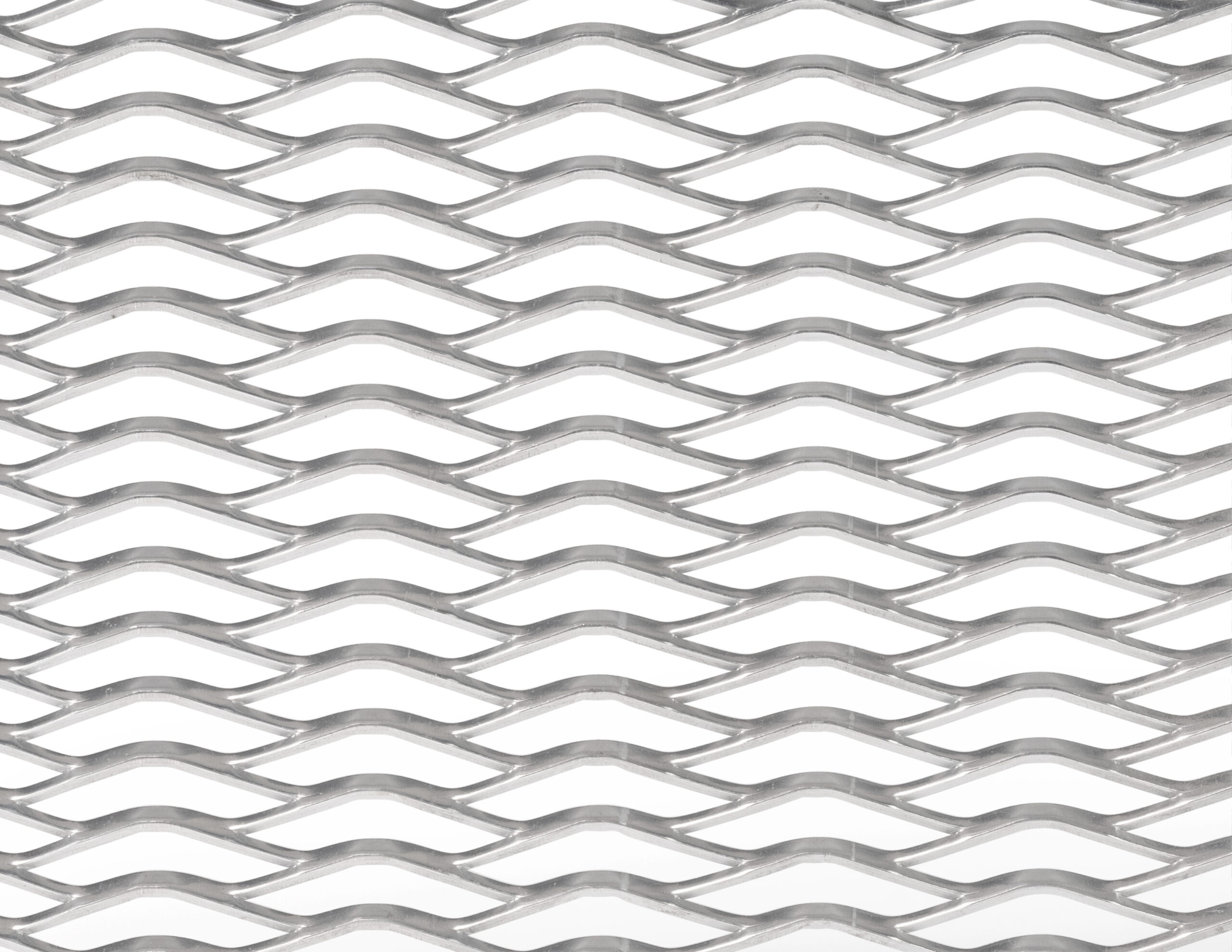
Public restrooms can be a challenge to design, and AMICO’s Expanded Mesh had the privilege of being a modest part of the winning design of the To The Loo Challenge. Two DPAI architects applied AMICO’s Gracia expanded mesh to the mock-up facade structure, incorporating numerous other innovative architectural elements. Congratulations Alea Reid and Petra Matar!
-

Critical to Quality Features for Architectural Expanded Mesh
Expanded metal manufacturing has been a well-established process for many years; however, there are important details in the manufacturing process that ensure the expanded mesh meets the quality standards for architectural applications. Here are a few questions you need to ask your expanded metal partner to ensure a quality installation: Do you trim the outside…
-

Architectural Sunshade Fin Testing – Break Forming Expanded Mesh to Add Rigidity
Expanded mesh can be more than a flat surface. Break forming (or bending) expanded mesh is a straightforward process and should be a design element that any architect feels free to explore. Pictured here in this mockup is Bellesa expanded mesh, which is break-formed to create a sophisticated sunshade form that gives the metal an…
-

Case Study: Architectural Metals for Residential Spaces
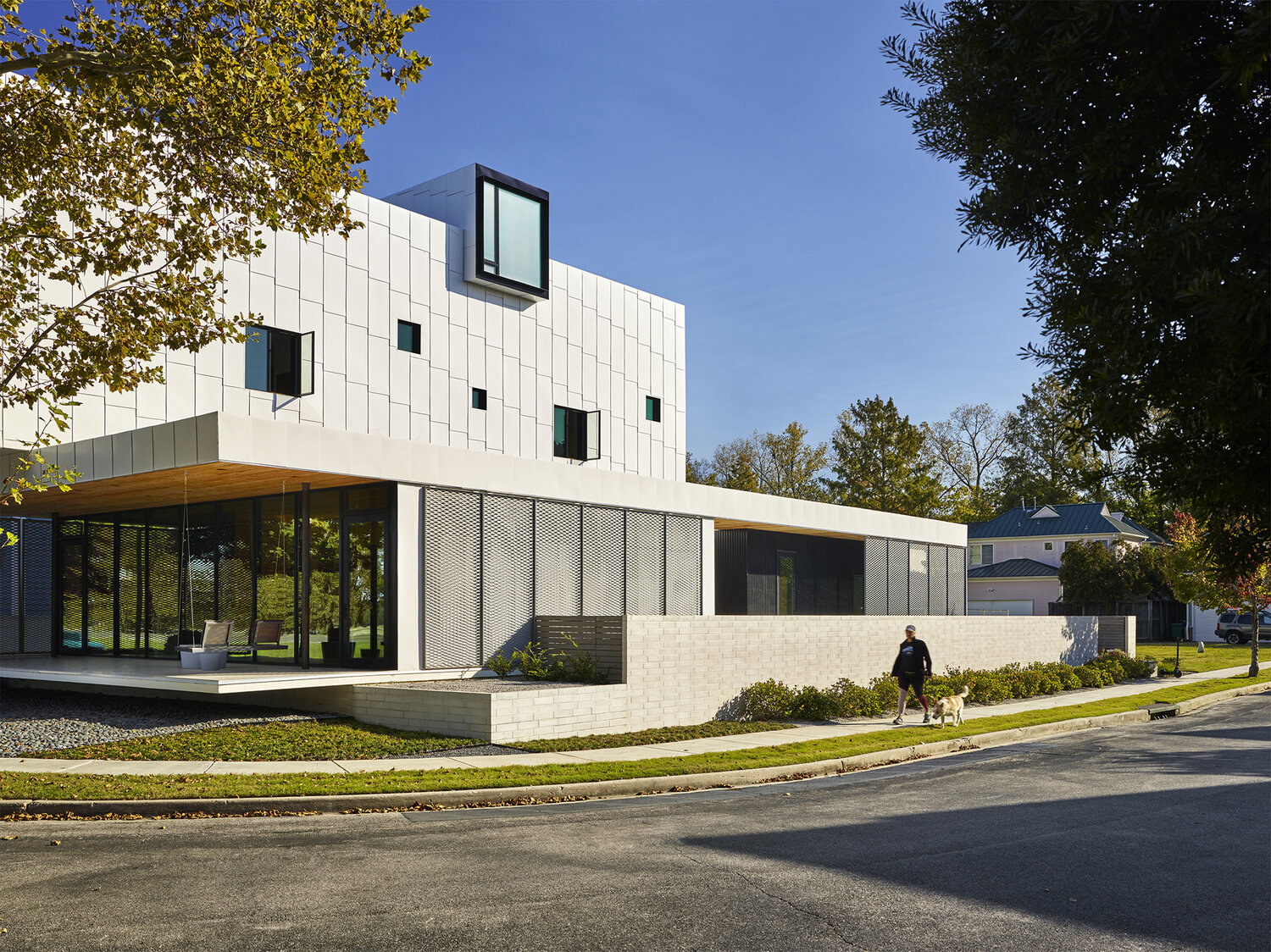
Architectural metals like expanded mesh, perforated metal, and laser cut panels are a road less traveled in residential home design, but are gaining popularity and offer many great design opportunities. Where do you find these materials used? Outdoors, you’ll find these materials used as privacy screens, sunshades, or garden trellis. In contrast, on the inside,…
-

What should an architect specify behind an expanded mesh facade?
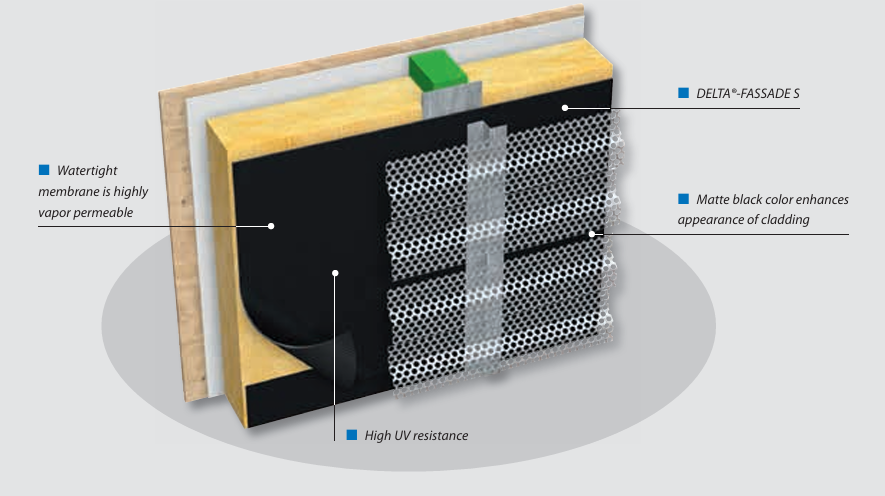
An extremely common question we get asked at AMICO is… What should the architect specify behind the expanded mesh facade? Because all forms of expanded mesh are open to some degree, the surface behind the mesh needs to be water-tight to protect the insulation and prevent water from getting trapped behind the wall. The question…
-
Q&A: Parking Garage Screen Design
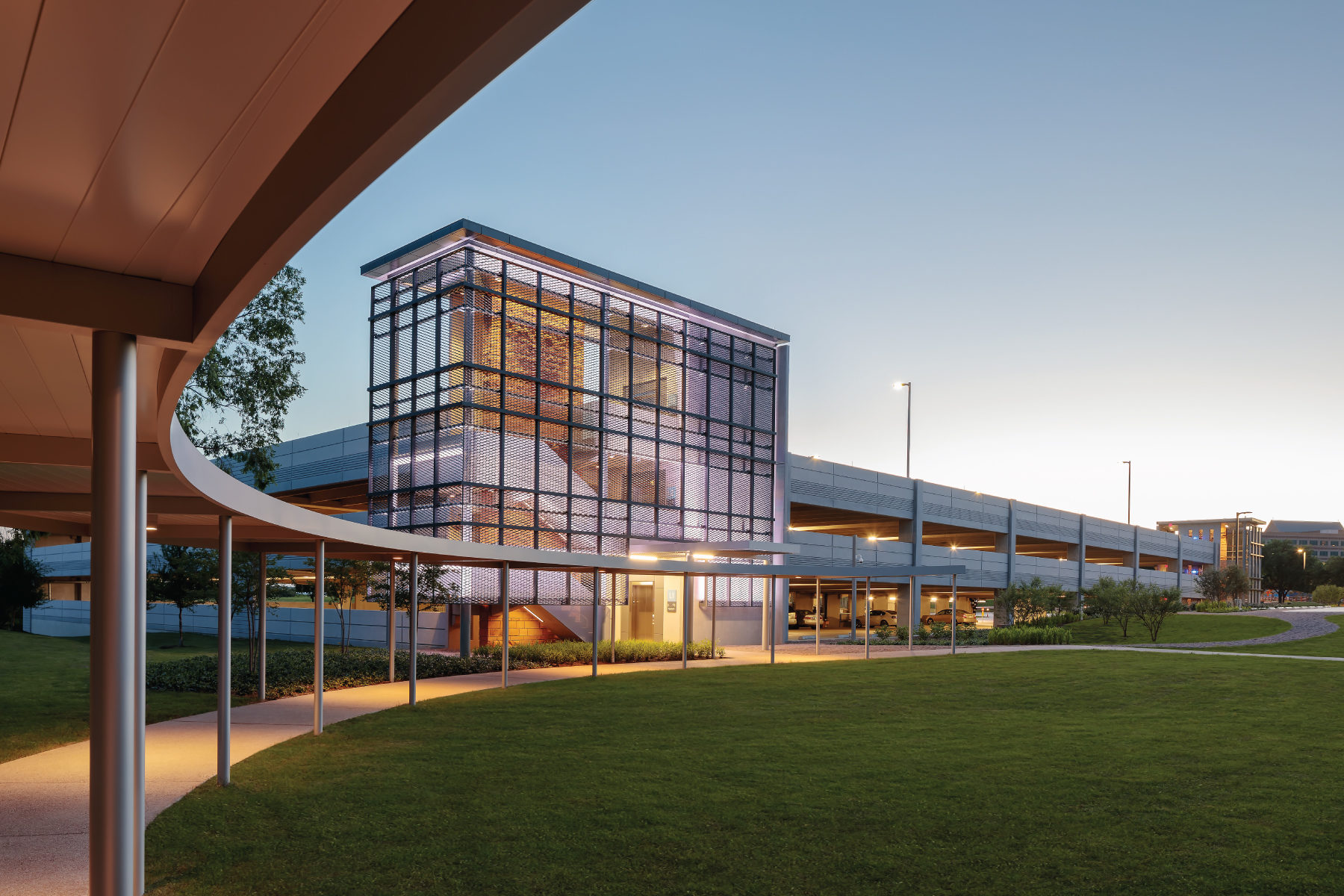
Q1: Why is a parking garage screen important? Parking garage screens provide an opportunity to transform blank utilitarian structures into architectural assets. Metal cladding enhances aesthetics by offering a finished look that blends with the surrounding architecture and creates a more cohesive neighborhood feel while concealing unsightly structural elements, reducing the visual impact of vehicles…
-

Quantifying Passive Sunshade Heat Gain Reduction
A long-standing practice of architects is to utilize architectural metals as a sunshade element to reduce glare, improve the quality of experience inside a building, and of course, to reduce heat gain. Typically, these designs are approached in three different ways: