Category: Applications
-

How Architectural Metals Can Fit Into Sports Stadium and Entertainment Venue Design
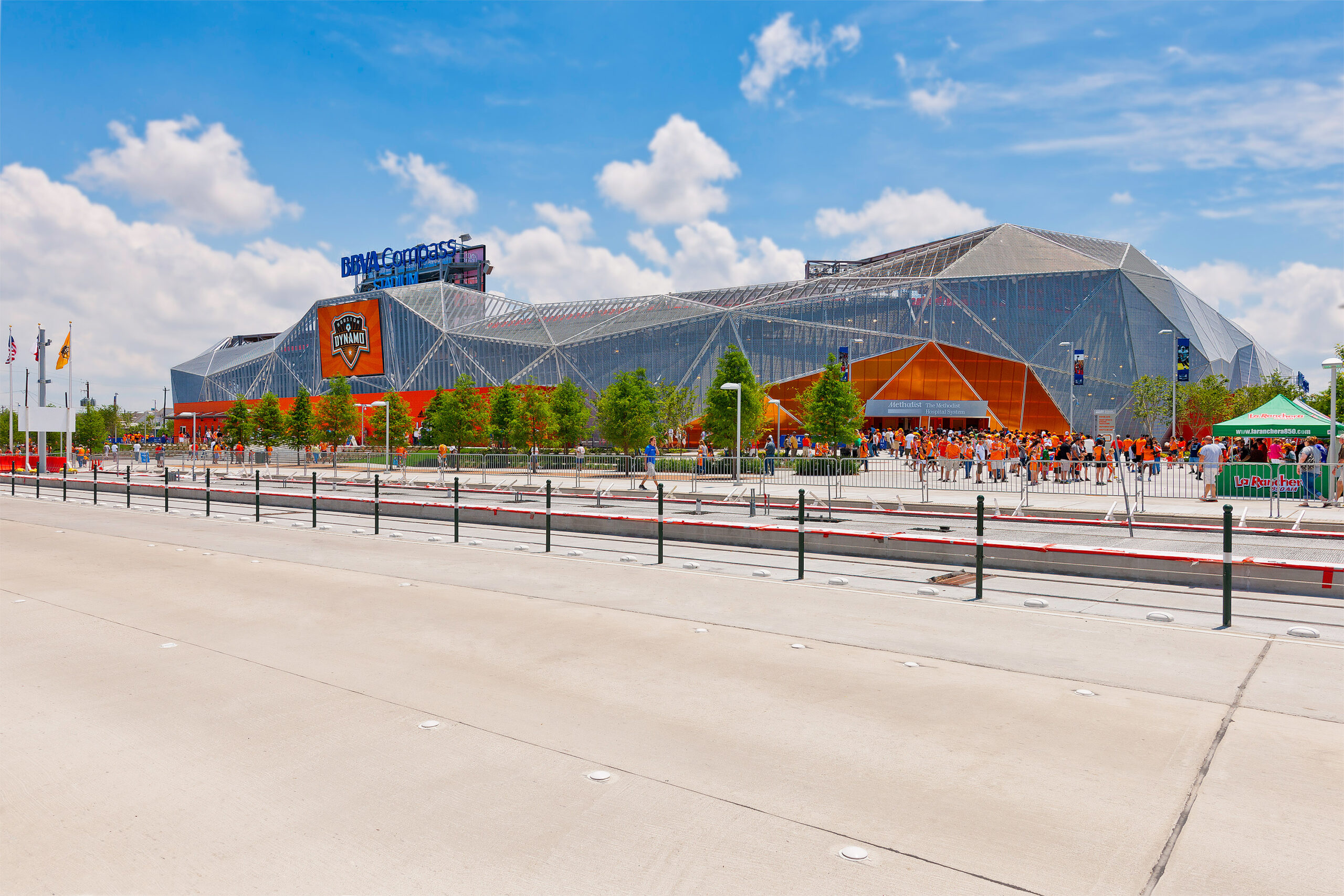
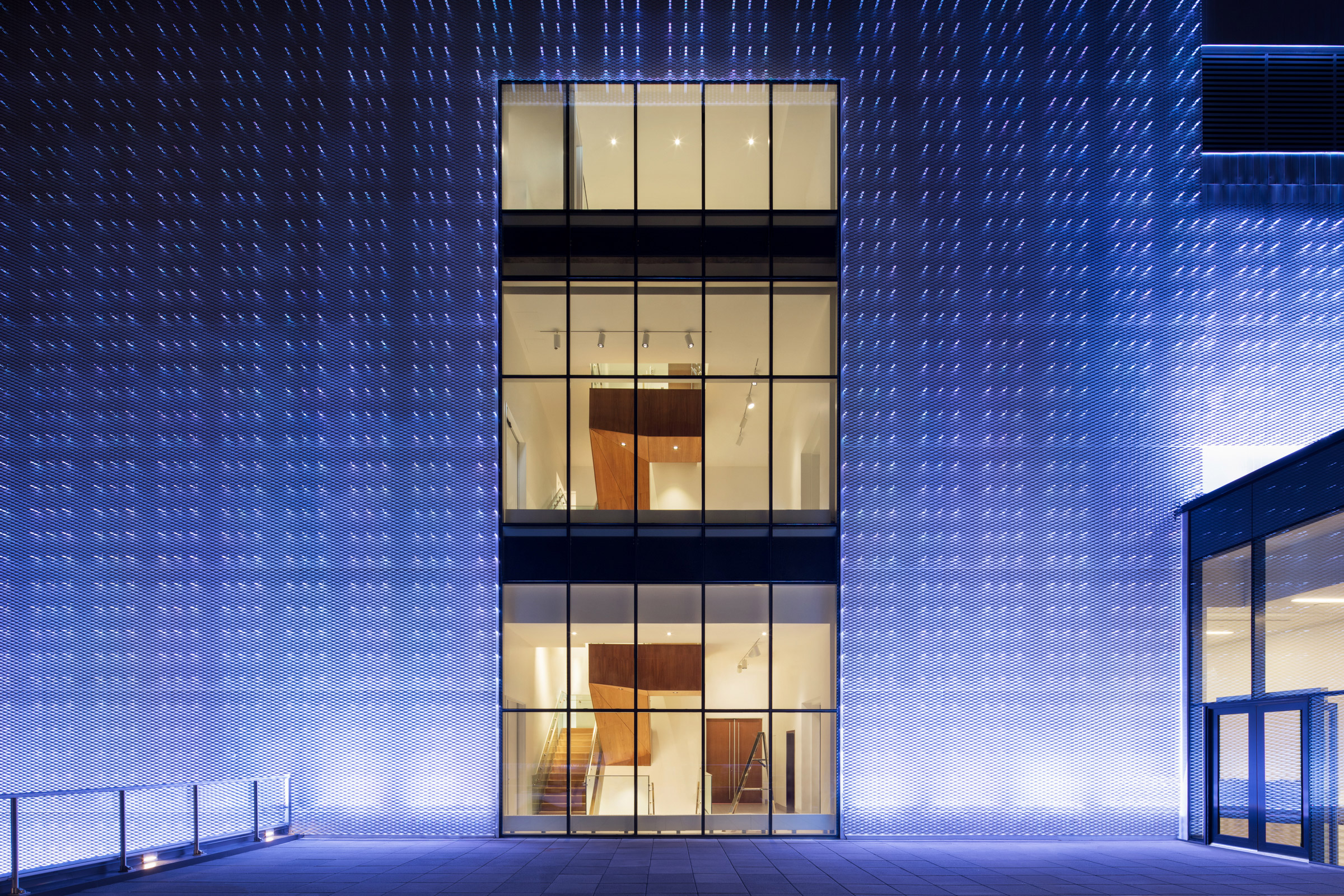
AMICO Architectural Metals materials are bespoke fabricated surfaces and therefore versatile and configurable to meet an infinite variety of forms, building applications, and designs. In this post, we will explore the applications of expanded mesh, perforated metal, and laser-cut panels in the design of sports stadiums and entertainment venues. Design Memorable Forms and Surfaces These…
-

How to Design an Expanded Mesh Architectural Facade
What are Some Use-Case for Architectural Expanded Mesh in Facade Design? How to Select an Architectural Expanded Mesh After defining the application, there are typically three factors that architects and interior designers use to select the style of expanded mesh: How to select a Finish for your Architectural Expanded Mesh Defining your warranty level is…
-

Improve Modular Data Center Design with Architectural Metals
By 2030, the modular data center (MDC) market is projected to exceed $75.8 billion annually, more than doubling in size. As with many new technologies, their integration into the architectural landscape has not entirely found maturity, and as more of these units find permanent placement, a critical question is left open: How do MDCs fit…
-

Architectural Specialty Metals for Data Center Design
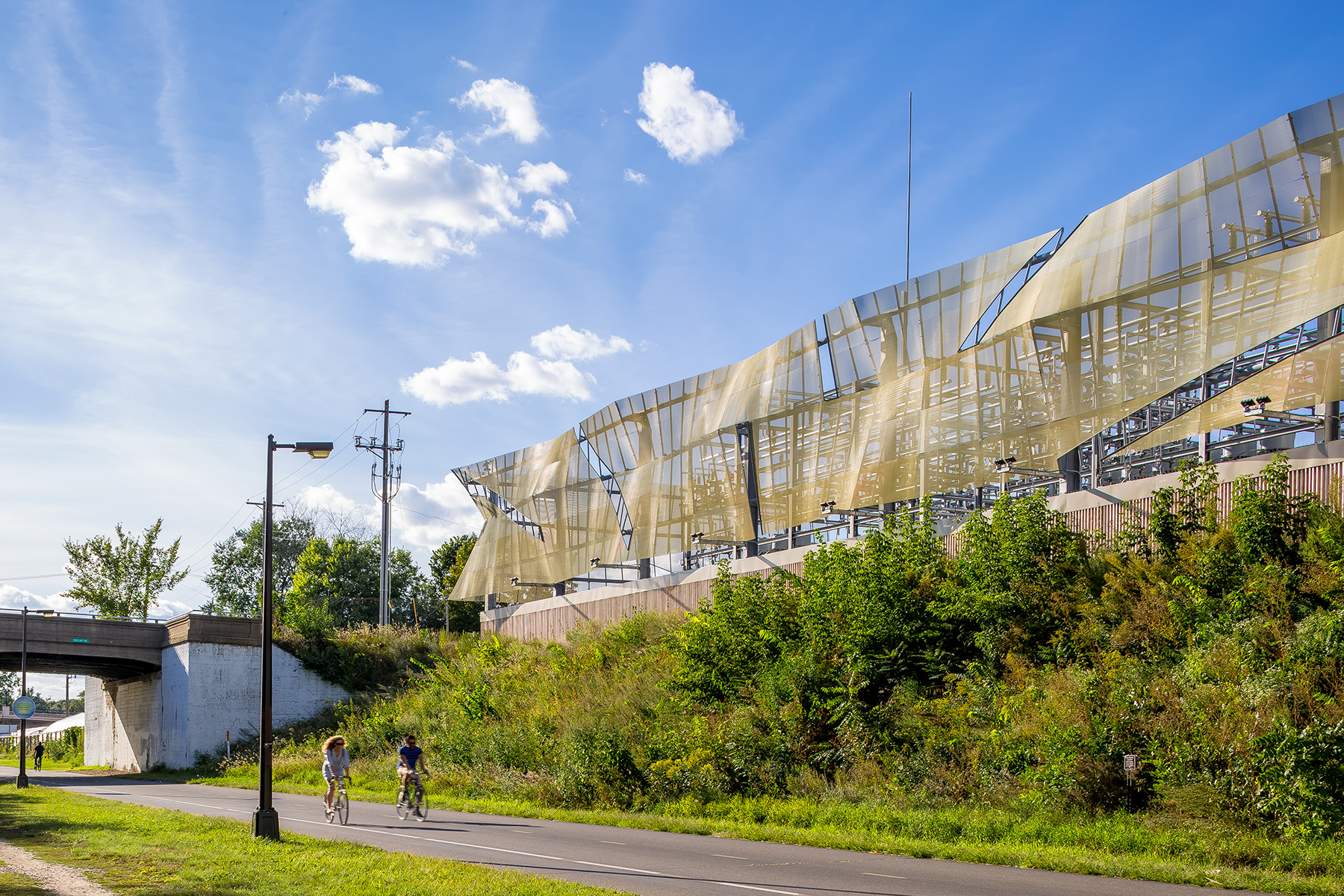
Are you looking for a way to enhance data center architectural design? This article outlines how AMICO’s specialty metals can add value to your data center design process by providing sunshades, screens, aesthetic enhancement, and creating value through brand-worthy design moments. Application #1: Rooftop & Yard Equipment Screens Expanded mesh and perforated corrugated metal are excellent…
-

Architectural Sunshade Fin Testing – Break Forming Expanded Mesh to Add Rigidity
Expanded mesh can be more than a flat surface. Break forming (or bending) expanded mesh is a straightforward process and should be a design element that any architect feels free to explore. Pictured here in this mockup is Bellesa expanded mesh, which is break-formed to create a sophisticated sunshade form that gives the metal an…
-

Blending Architectural Signage with Expanded Mesh Facade Materials
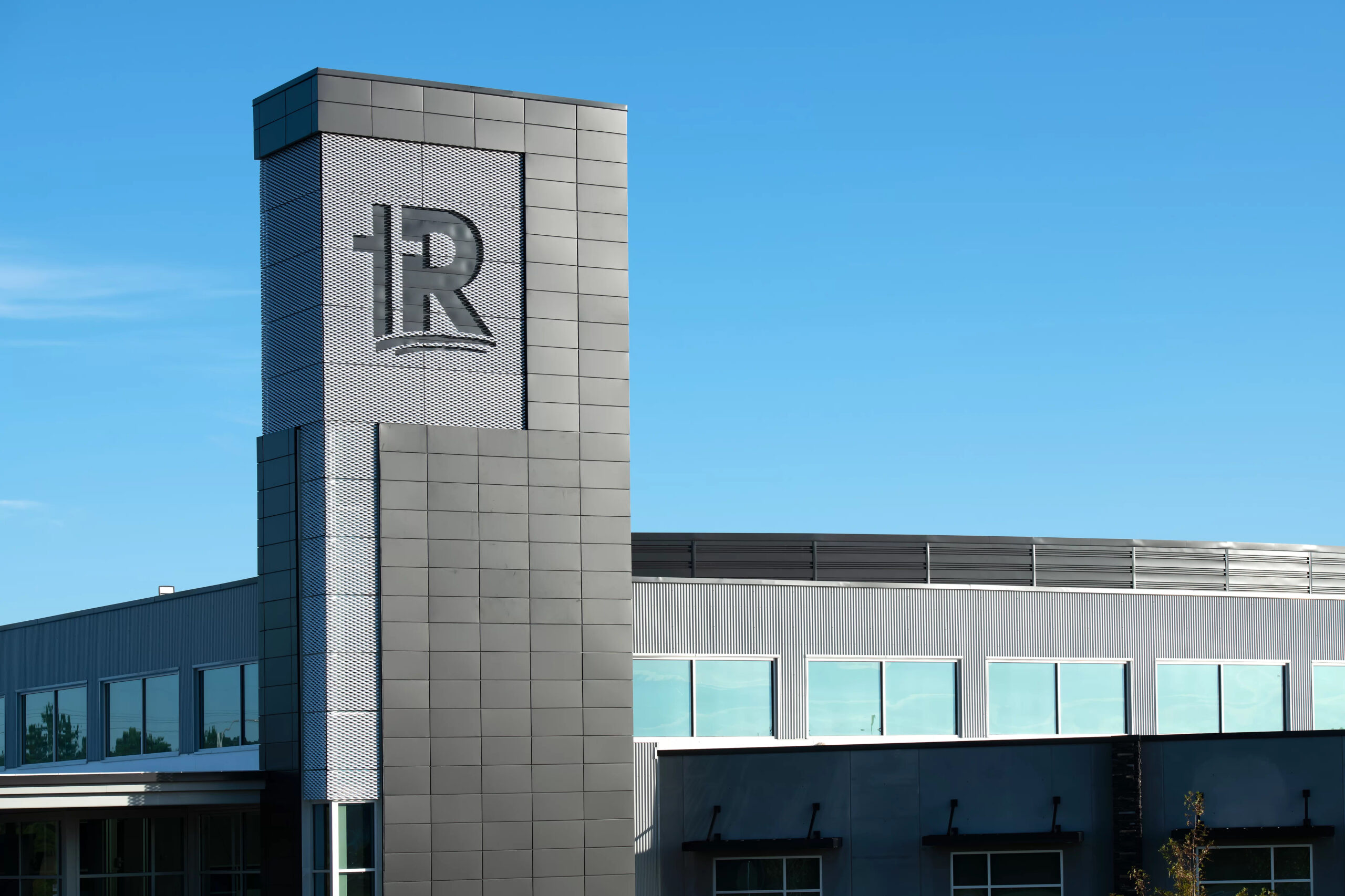
Expanded Mesh Signage Integrating signage elements with materials commonly found in facades presents a valuable opportunity to develop impactful messaging and design elements, while avoiding the use of typical signage materials that may appear cheap. Layered Expanded Mesh Signage Architects typically specify expanded mesh for its texture, and this design element can play into your…
-

10 Ways Retail Design Can Innovate with Expanded Mesh, Perforated Metal, and Laser Cut Panels
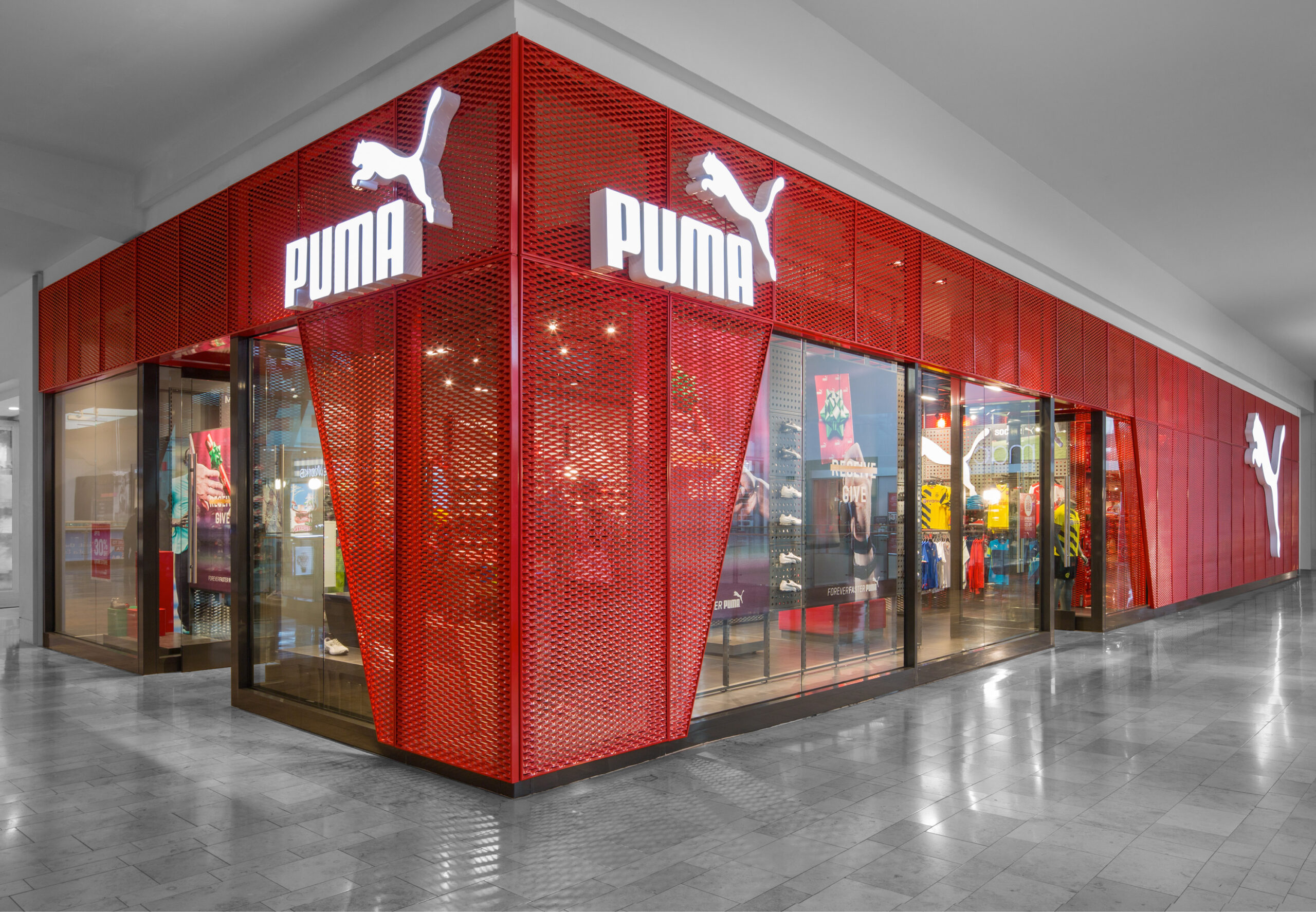
If you are designing for retail or restaurants, AMICO’s architectural metal products can provide distinctive design opportunities. Let’s look at a few application examples. Problem 1: Limited space ruins customer experiences Challenging lot sizes and demands for parking and drive-through elements can lead to an unsatisfying customer experience for outdoor seating. No one wants…
-
Case Study: Biophilic Design with Perforated Metal
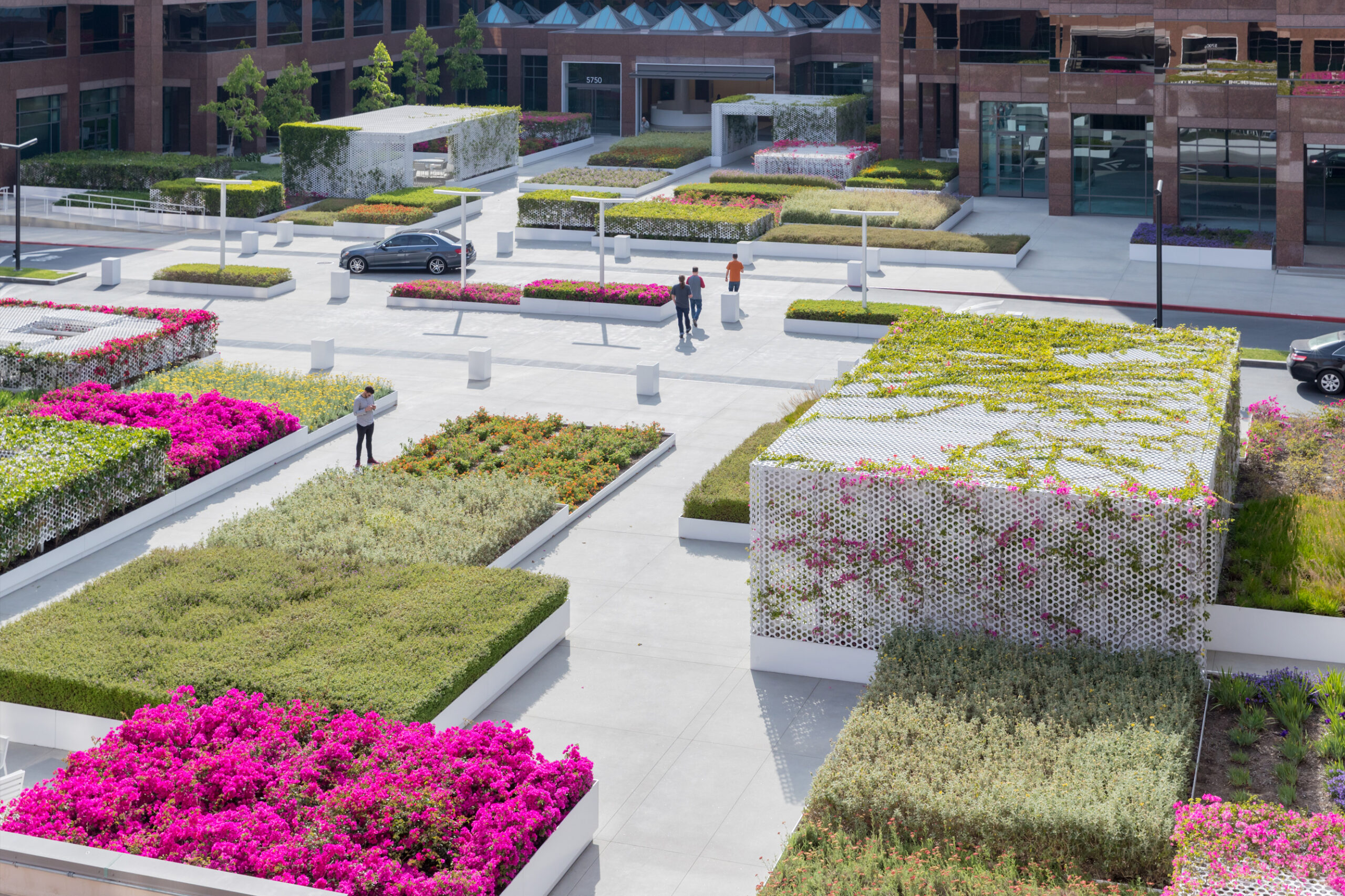
What do you do with an aging mid-rise office complex with struggling occupancy? Michael Maltzan Architecture decided to address the problem, starting outside first, with landscape design. Addressing an ample, underutilized, concrete space, they set upon a biophilic design journey to revitalize and bring value to tenants and owners. The design was straightforward and…
-
Case Study: Architectural Metals for Residential Spaces
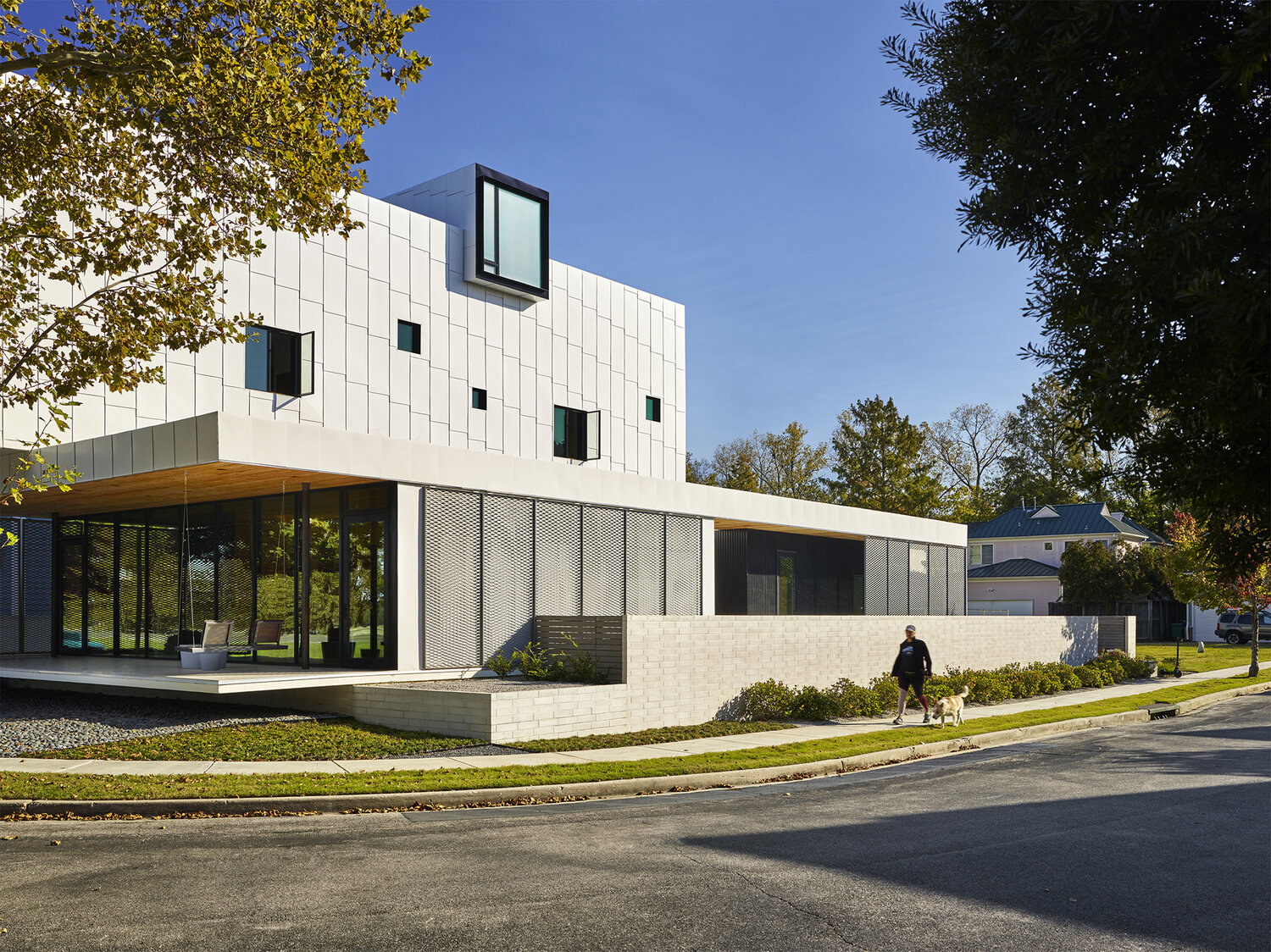
Architectural metals like expanded mesh, perforated metal, and laser cut panels are a road less traveled in residential home design, but are gaining popularity and offer many great design opportunities. Where do you find these materials used? Outdoors, you’ll find these materials used as privacy screens, sunshades, or garden trellis. In contrast, on the inside,…
-
What should an architect specify behind an expanded mesh facade?
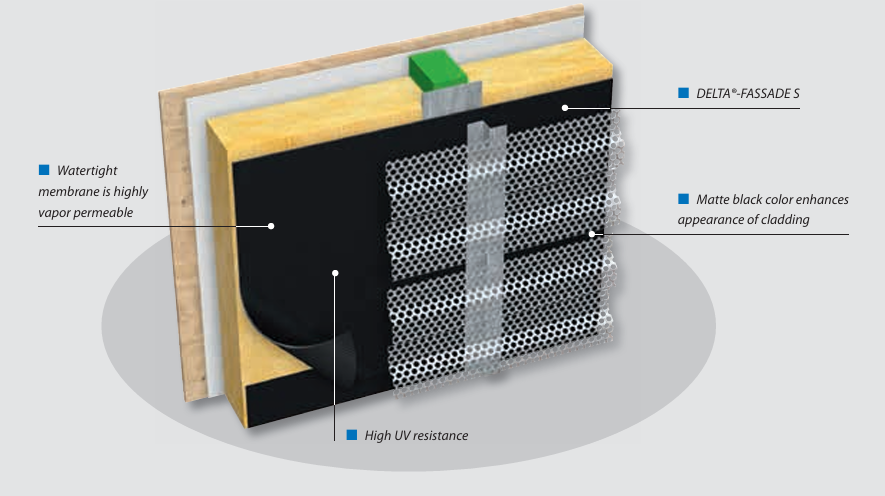
An extremely common question we get asked at AMICO is… What should the architect specify behind the expanded mesh facade? Because all forms of expanded mesh are open to some degree, the surface behind the mesh needs to be water-tight to protect the insulation and prevent water from getting trapped behind the wall. The question…
-
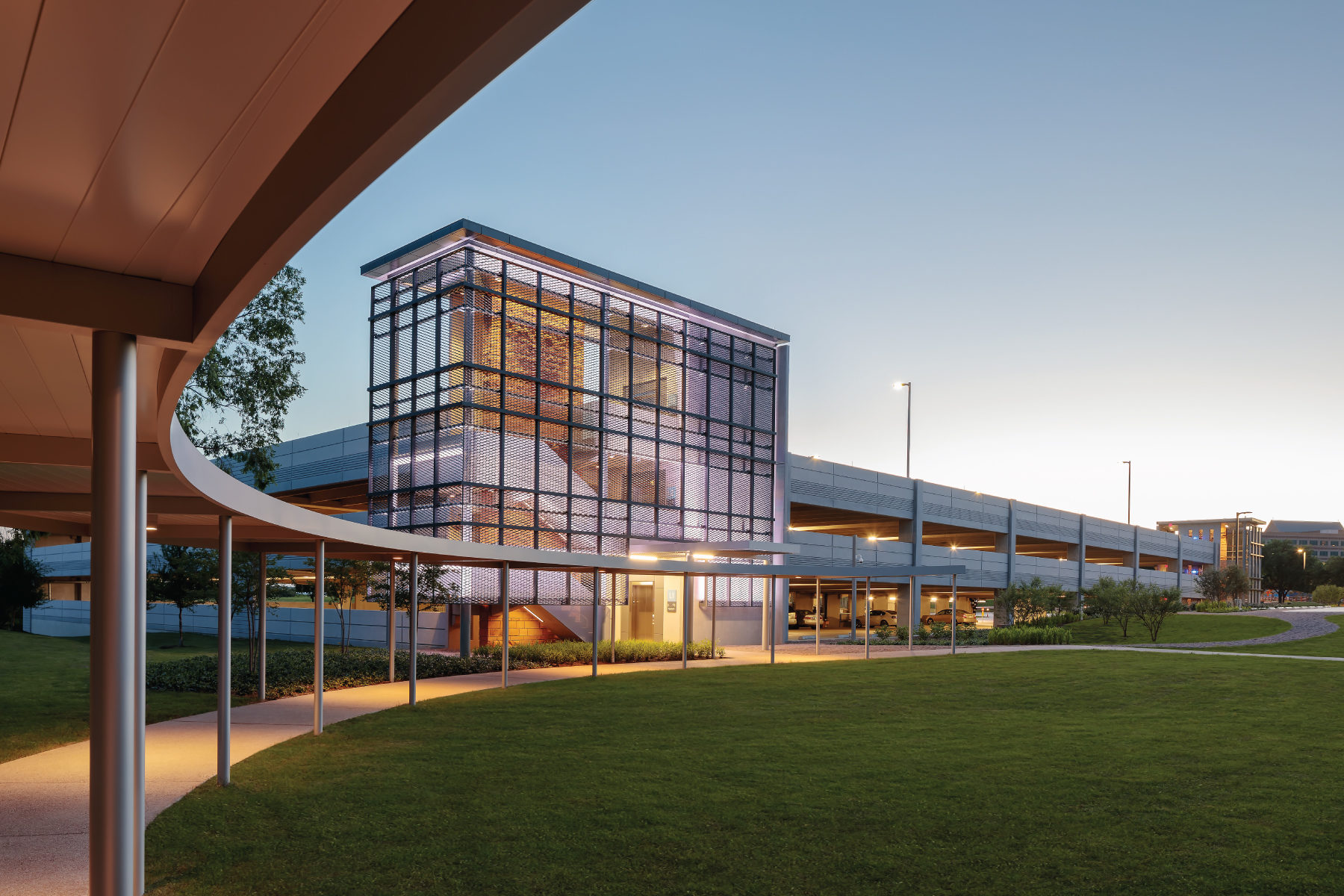
Q&A: Parking Garage Screen Design
Q1: Why is a parking garage screen important? Parking garage screens provide an opportunity to transform blank utilitarian structures into architectural assets. Metal cladding enhances aesthetics by offering a finished look that blends with the surrounding architecture and creates a more cohesive neighborhood feel while concealing unsightly structural elements, reducing the visual impact of vehicles…
-
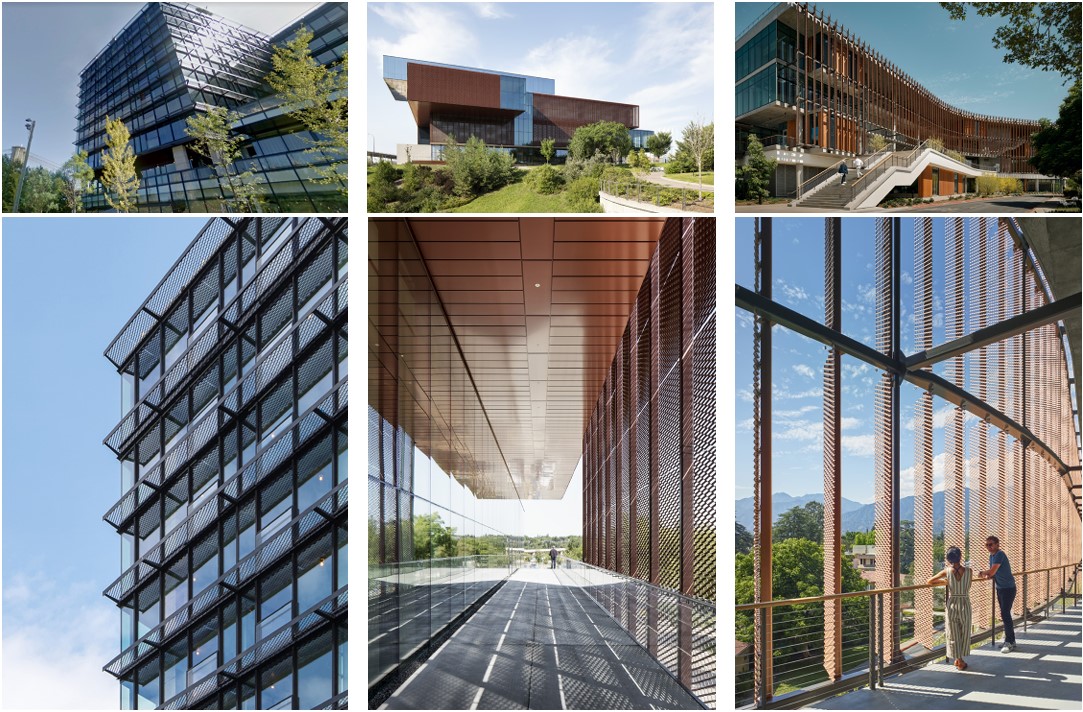
Quantifying Passive Sunshade Heat Gain Reduction
A long-standing practice of architects is to utilize architectural metals as a sunshade element to reduce glare, improve the quality of experience inside a building, and of course, to reduce heat gain. Typically, these designs are approached in three different ways: