Category: Great Architectural Design
-

How Architectural Metals Can Fit Into Sports Stadium and Entertainment Venue Design
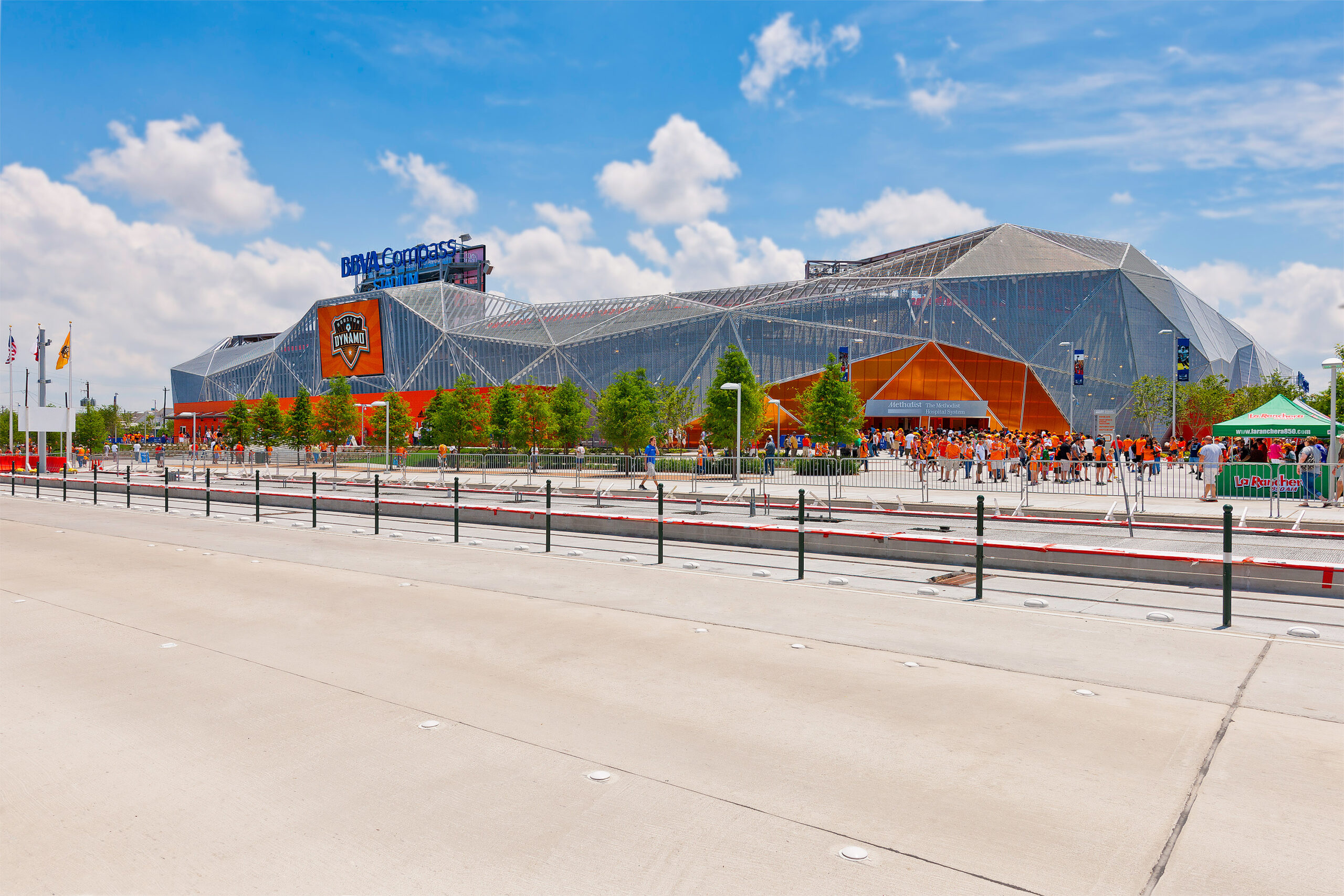
AMICO Architectural Metals materials are bespoke fabricated surfaces and therefore versatile and configurable to meet an infinite variety of forms, building applications, and designs. In this post, we will explore the applications of expanded mesh, perforated metal, and laser-cut panels in the design of sports stadiums and entertainment venues. Design Memorable Forms and Surfaces These…
-

Public spaces: “If you provide more beautiful spaces, people are going to treat them better….”
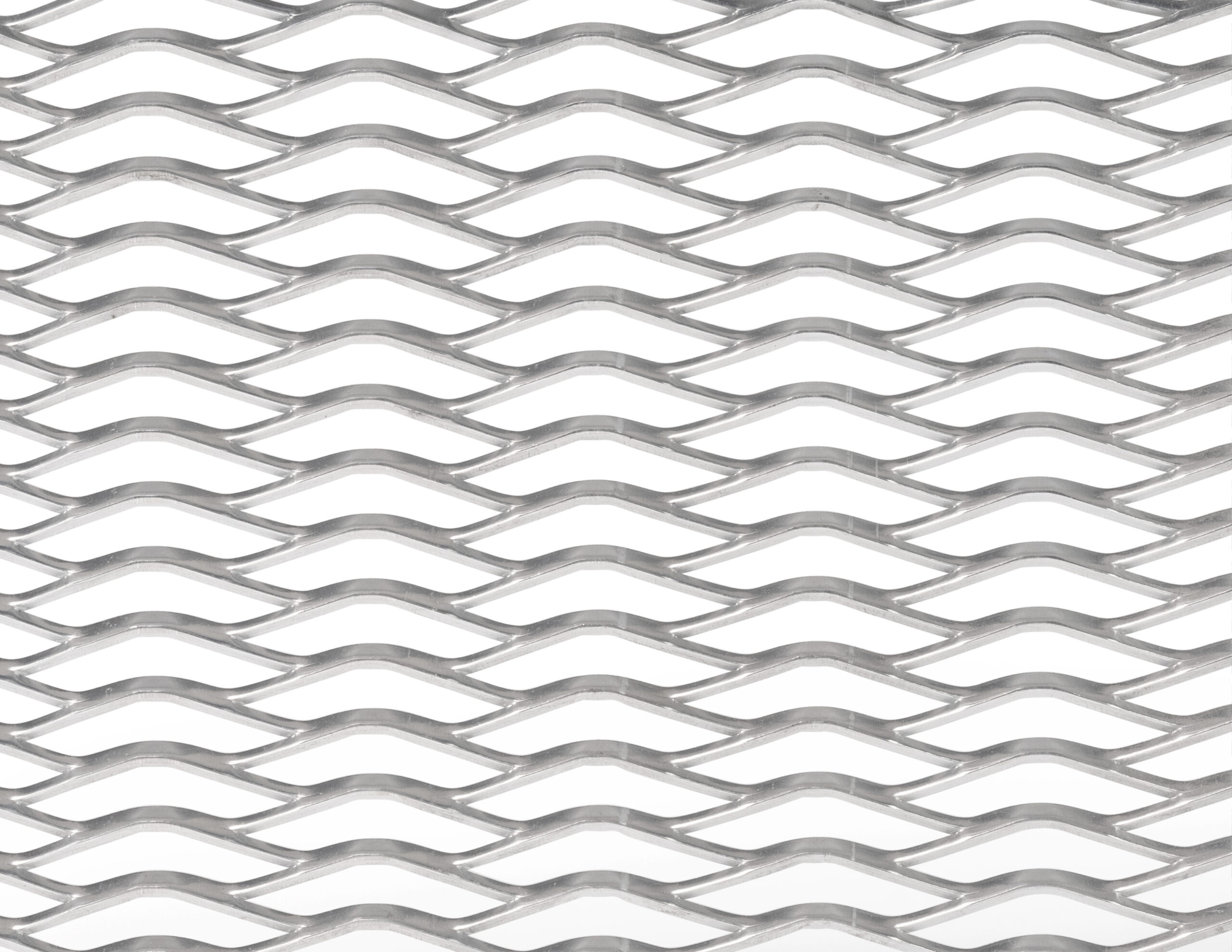
Public restrooms can be a challenge to design, and AMICO’s Expanded Mesh had the privilege of being a modest part of the winning design of the To The Loo Challenge. Two DPAI architects applied AMICO’s Gracia expanded mesh to the mock-up facade structure, incorporating numerous other innovative architectural elements. Congratulations Alea Reid and Petra Matar!
-
Expanded Mesh vs. Woven Wire Metal Fabrics: Why Architects are Specifying Expanded Mesh
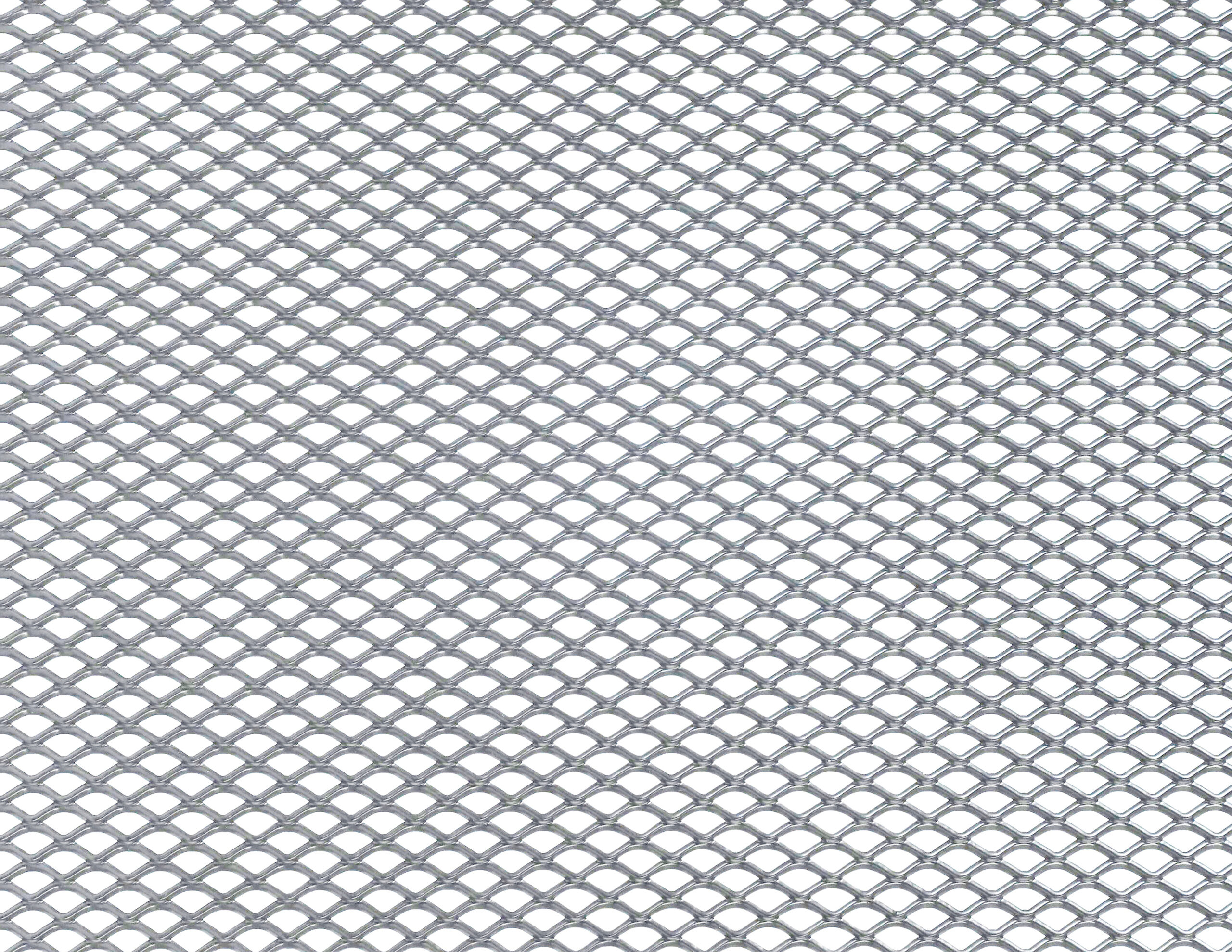
Woven wire can be beautiful, but it presents challenges when it comes to practical installation. Here, we’ll compare the two materials. However, if you are looking to substitute Woven Wire Mesh for Expanded Mesh, consider AMICO’s Luxos. This style of expanded mesh has a very narrow strand and is often visually mistaken for woven wire products. above…
-

2025 Architectural Color Trends & Forecasts
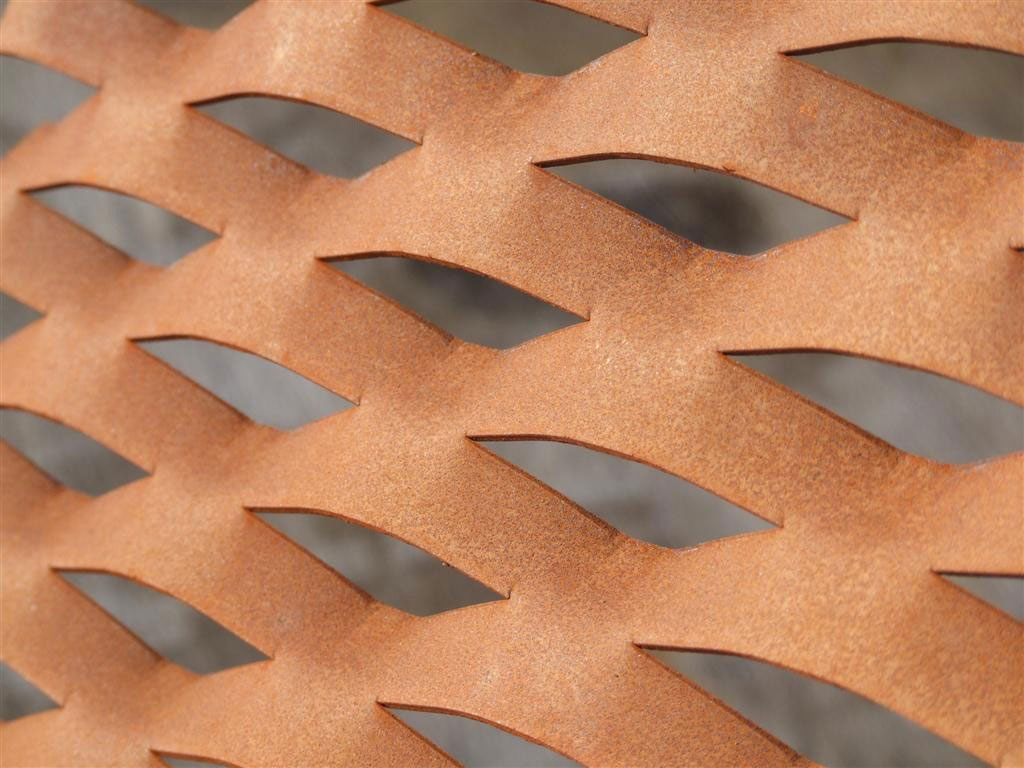
Color and finish can be one of the most important design decisions you can make when working with architectural metals. Design objectives, clients, and building location can all influence which colors are most suitable, making definitive trend guidance difficult, especially given the long life span of architecture. With the hundreds of conversations we have with…
-

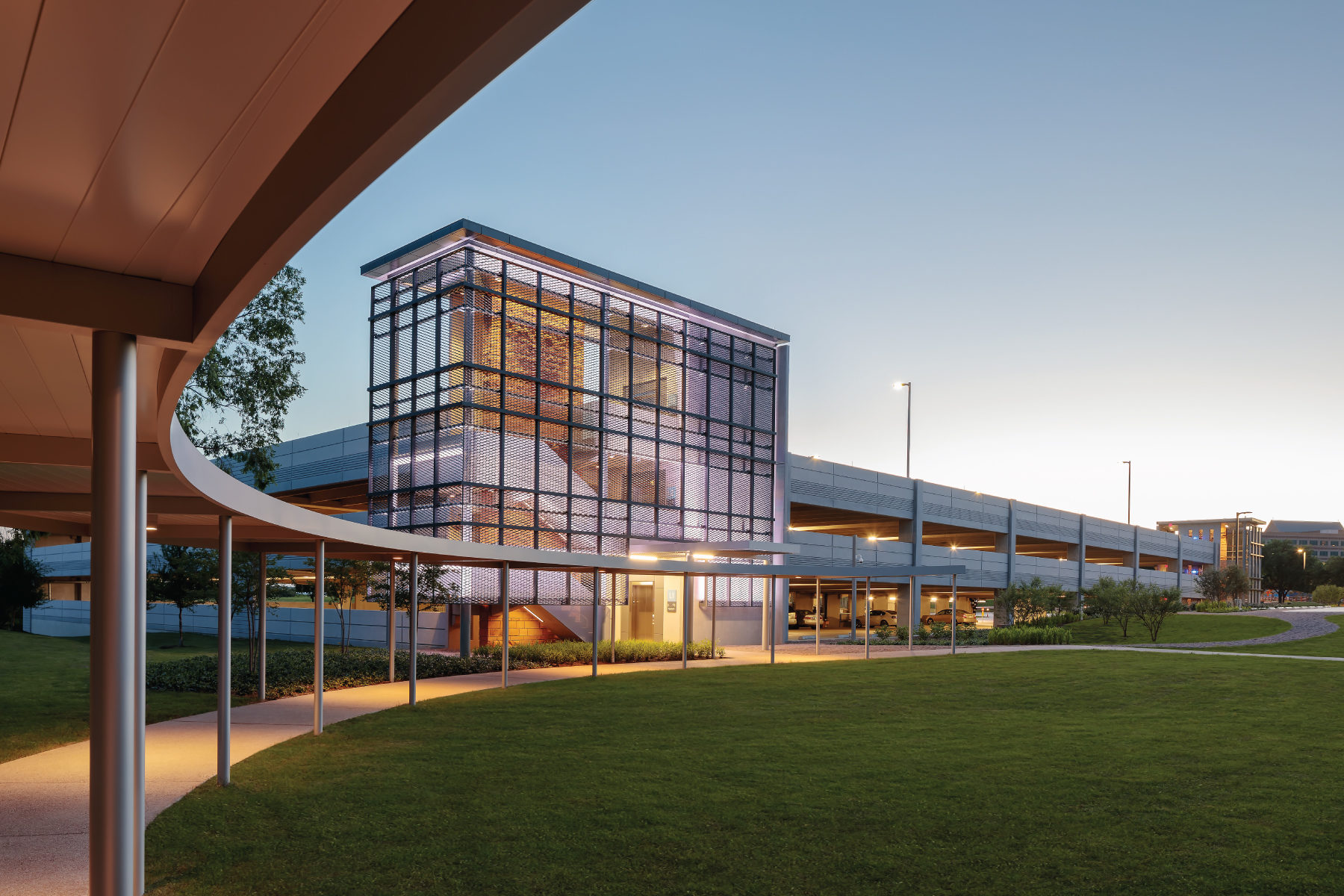
Q&A: Parking Garage Screen Design
Q1: Why is a parking garage screen important? Parking garage screens provide an opportunity to transform blank utilitarian structures into architectural assets. Metal cladding enhances aesthetics by offering a finished look that blends with the surrounding architecture and creates a more cohesive neighborhood feel while concealing unsightly structural elements, reducing the visual impact of vehicles…
-

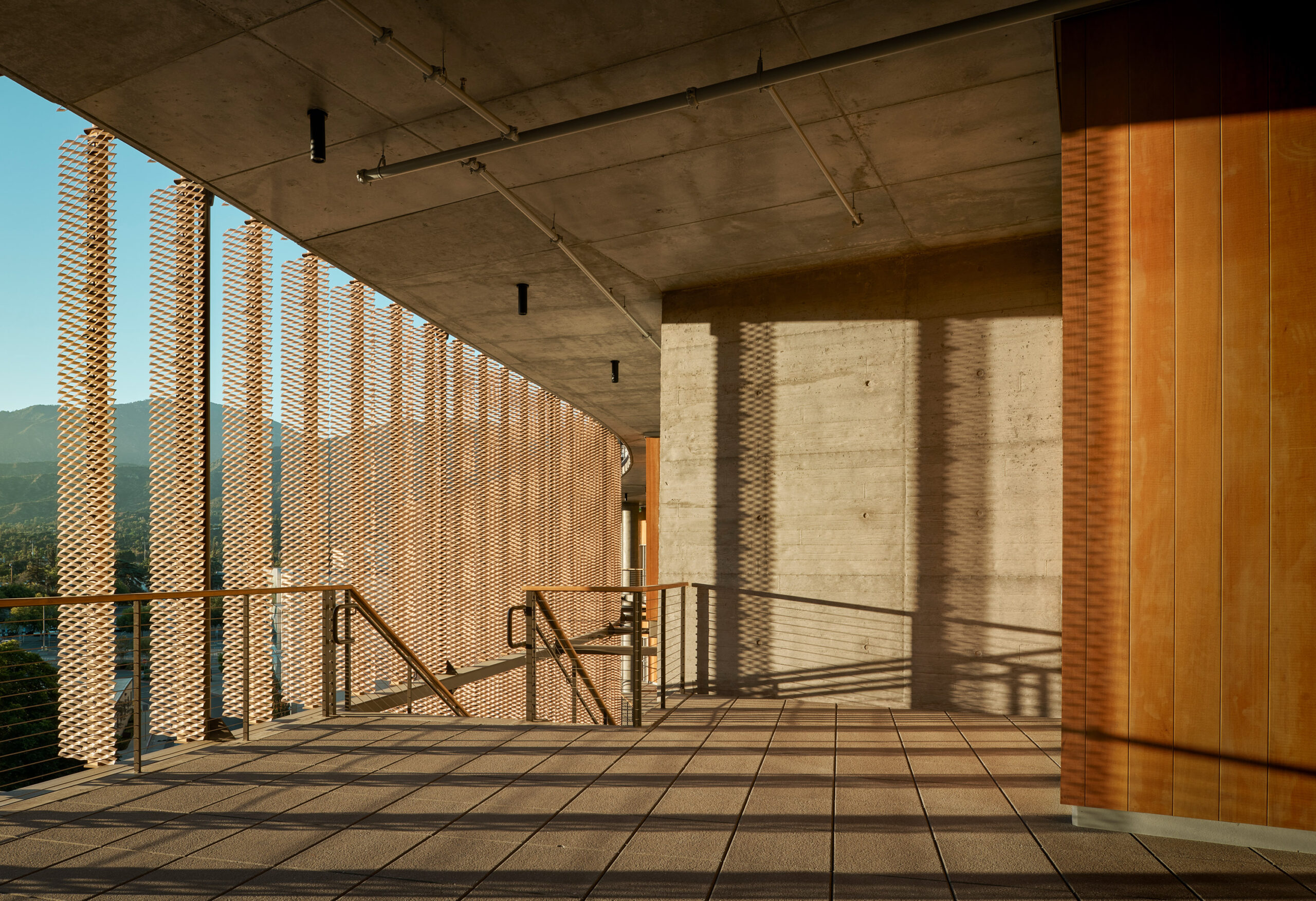
Designing for Light and Shadow in Architecture
In architecture, light can be more than illumination; it serves as a fundamental design material. Whether natural or artificial, light shapes our perception of space, texture, and atmosphere. Equally important is the interplay with shadow, which adds depth, emotion, and rhythm to architectural experiences. Material selection can partner with light, activating spaces through texture, transparency,…